

The Federal Government’s National Housing Accord has set a revised goal of building 1.2 million new, well-located homes nationally within the next five years.
And state governments are being offered incentives to help meet the ambitious target, with the Government committing $3 billion, under the New Homes Bonus, for states and territories that achieve more than their share of the Accord’s initial one million well-located homes goal.
NSW, Victoria and Western Australia are leading the charge for more dual-occupancy dwellings to fill the gaps between single-occupancy housing, greenfield housing on urban fringes and multi-storey developments.
The NSW Government’s Low and Mid-Rise policy took effect in February last year, removing restrictions on developing dual occupancies, terraces and townhomes on R1 and R2 zoned land.
The focus in NSW is on developing land within 800m of 171 town centres and transport hubs, mainly across metropolitan Sydney, the Central Coast, Illawarra-Shoalhaven and Hunter regions.
“These types of homes have played a really important part in delivering houses over the last century,” NSW Premier Chris Minns said, “but recently councils have effectively banned them; this reform changes that.”
In Victoria, the Townhouse and Low-Rise Code (Clause 55), approved in March last year, provides a “deemed to comply assessment pathway” to support smoother approvals for townhomes and apartment buildings up to three storeys.
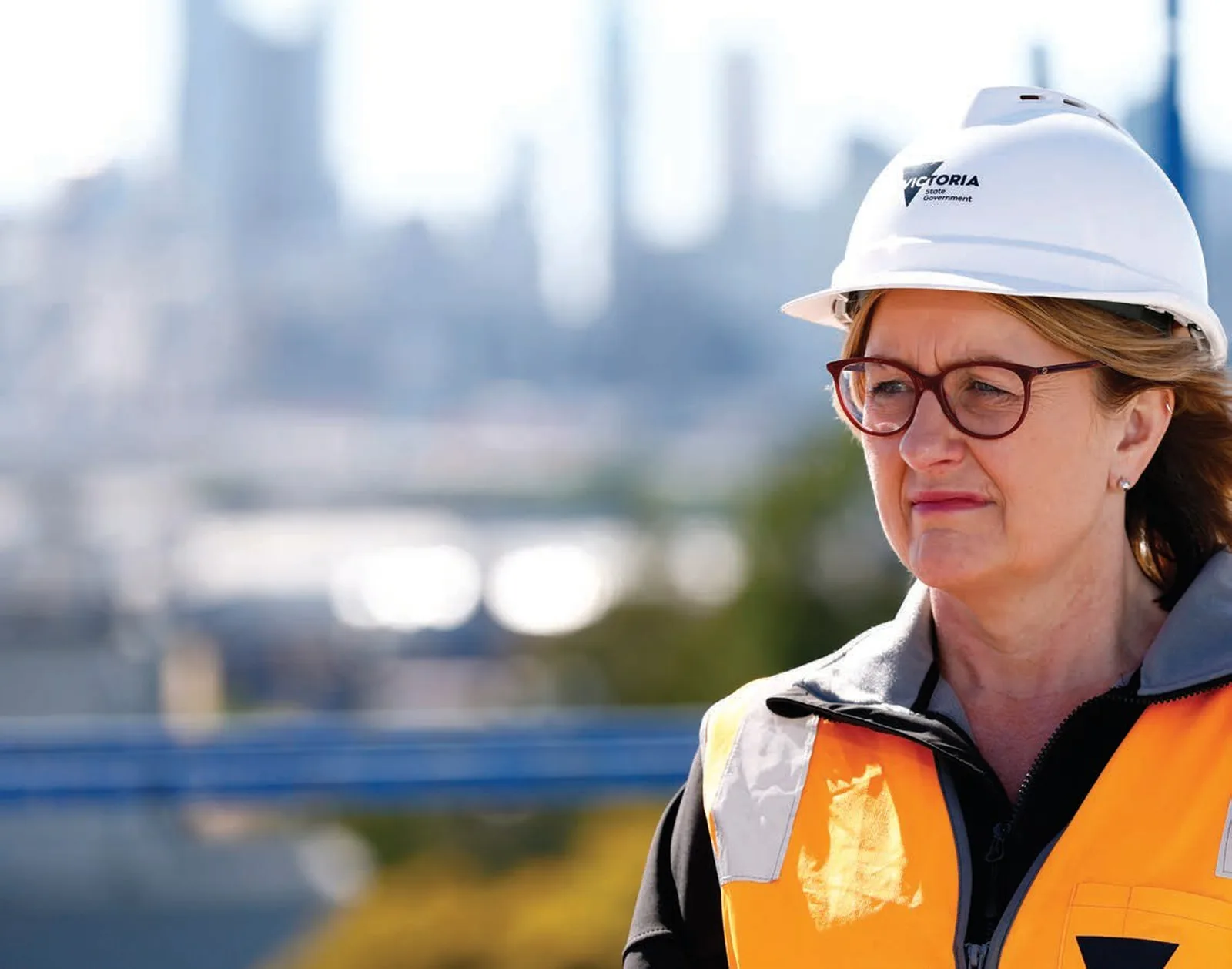
“Unlocking the potential in and around our major transport projects in Melbourne’s inner and middle suburbs is a key focus of our Housing Statement, which will deliver more homes, more jobs and better-connected services,” Victorian Premier Jacinta Allan said.
In Western Australia, a development corridor was established in November surrounding 10 suburban Perth train stations, with the government rezoning land within 800m of the stations to include medium-to-high rise buildings intended to deliver 35,000 new homes.
“We are stepping in to ensure a consistent and streamlined approach to deliver vibrant, mixed-use precincts within walking distance to train stations,” WA’s Planning and Lands Minister John Carey said.
“This initiative is one way we are streamlining and simplifying the planning system to accelerate housing supply.”
Peak bodies see these planning reforms actively encouraging dual-occupancy builds as essential to provide for Australia’s growing population and housing affordability.
“The reforms will boost housing supply where it is needed most,” Property Council NSW executive director Katie Stevenson said.
“It will increase density in areas well-connected to transport and close to existing services, to ease housing pressures and provide more affordable housing options.”