
Upcoming tax is ‘growing contradiction’ to housing agenda
HIA boss says 'every month it seems there is another tax or piece of regulation that makes building homes harder'.
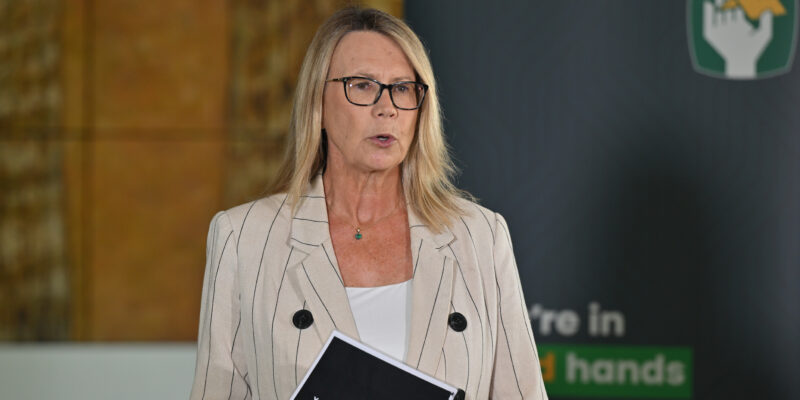
A PROPOSED minimum tax on discretionary trusts “is fundamentally at odds with the Albanese Government’s promise to tackle Australia’s housing shortage,” according to the Housing Industry Association.
The Federal Government has flagged a minimum 30 per cent tax on discretionary trusts.
A Treasury consultation process ended on July 31 and the HIA submitted a detailed response calling for greater transparency around the new tax.
“The proposal highlights a growing contradiction at the heart of the government’s economic agenda,” Jocelyn Martin, HIA managing director, said.
“Every week governments tell Australians they want more homes. Every month it seems there is another tax or piece of regulation that makes building homes harder.
“The extraordinary aspect of the proposal is that Treasury’s own consultation paper acknowledged it would increase compliance costs, require businesses to restructure and create additional complexity.”
Martin said discretionary trusts aren’t some exotic tax vehicle. They’re one of the most common ways family-owned building businesses are structured.
“A local builder might operate through a trust because it allows a husband and wife to run the business together, brings adult children into the business as they prepare to take it over, or provides the flexibility small businesses need when workloads and income fluctuate from year to year,” she said.
“These aren’t multinational corporations with teams of tax lawyers. They’re builders employing apprentices, paying local suppliers and building homes in communities across Australia.
“Our submission calls on Treasury to publish a comprehensive assessment of the full economic cost of the proposal, including legal, accounting, valuation, administrative costs and state taxes such as stamp duty that businesses may incur if forced to restructure.”
The HIA submission also challenges the government’s projected revenue from the measure, arguing Treasury should publicly release the behavioural assumptions underpinning its estimates if it expects businesses to change their structures in response to the tax.
“The Government says this is about fairness but the practical reality is a builder who wants to employ another apprentice or invest in new equipment could instead be paying accountants, lawyers and stamp duty simply to states and territories to restructure their business. That doesn’t build a single extra home,” Martin said.
“The proposal followed a pattern of tax measures that HIA had consistently warned would discourage housing investment at a time Australia was already falling behind on its housing commitments.
“Australia doesn’t have a tax collection problem. It has a housing supply problem.
“Until every tax and regulatory decision in Canberra is judged by one simple test – does it help build more homes? – Australia’s housing targets will remain exactly that: targets,” Martin concluded.