
Weak confidence should translate to investment
Advocacy body says 'at a time when Australia needs more homes, governments should be focused on investment, not making it harder'.
THE fragility of business confidence in Australia should encourage governments to concentrate more on investment in the housing market, according to a peak advocacy group.
The NAB Business Survery for July saw the business conditions index rise slightly to +4 in July from +3 in the previous month.
However, the result remained below the trend of +7, while the business confidence index was unchanged at -6.
Due to increases in crude oil prices from continued tensions in the Middle East, concerns over cost pressures among businesses are increasing.
“While conditions have improved compared to the peak impact of the Middle East crisis, heightened uncertainty continues to weigh on business confidence,” said NAB chief economist Alan Oster.
The Property Council of Australia said the result reinforces the need for policies that support investment, strengthen confidence and attract the capital needed to drive housing, jobs and productivity.
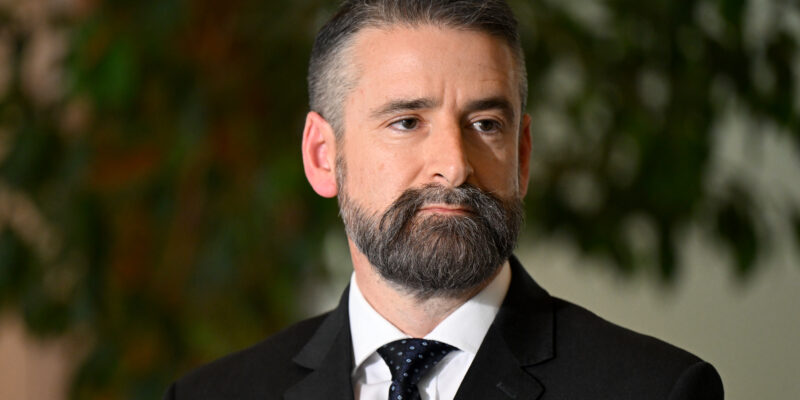
Matthew Kandelaars, Property Council group executive policy and advocacy, said attracting investment is critical to delivering the housing, productivity and economic growth Australia needs.
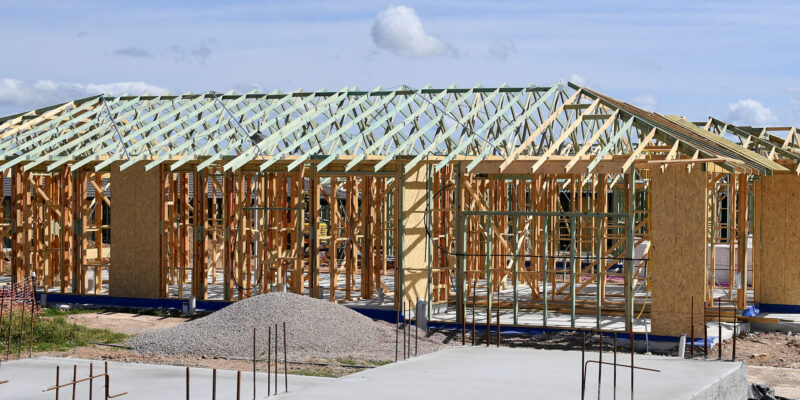
“At a time when Australia needs more homes, more infrastructure and stronger productivity, governments should be focused on attracting investment, not making it harder,” Kandelaars said.
“The property sector is already one of the nation’s largest taxpayers, contributing around $130 billion each year.
“On a new home, close to four in every 10 dollars is absorbed by taxes and charges before a buyer receives the keys.
“Private capital funds the overwhelming majority of Australia’s new homes, workplaces, industrial facilities and city-shaping infrastructure. Without investment, projects do not proceed.
“Investors do not assess tax changes one by one. They look at the total cost and risk of investing in Australia.”
Kandelaars said the consultation on discretionary trust tax changes has now closed, with serious concerns remaining over a proposed tax that risks crippling the family-owned and mid-tier businesses Australia relies on to deliver new homes.
“Every additional tax, charge or layer of complexity affects the willingness of capital to fund new projects,” he said.
“When investment slows, project pipelines shrink. When project pipelines shrink, housing supply, jobs and economic growth suffer.
“If governments are serious about affordability, productivity and growth, Australia needs to be known as a competitive destination for investment, not a higher-tax destination for capital.”