
The days of property ‘super-cycle’ could be over
Senior economists say latest data 'could mean a decade or so of real house prices ranging sideways'.
THREE decades of home prices outpacing incomes could be over as Australia’s housing market downturn widens.
The market recorded the largest single-month decline in home values in almost four years in July, data released by property analysis firm Cotality shows.
Australia’s two largest markets led a nationwide drop, with Sydney and Melbourne house prices falling by 1.4 per cent and 1.2 per cent respectively.
Values were down 0.9 per cent across the capital cities and 0.7 per cent nationwide, the largest single-month drop since December 2022.
Overall, home values are down two per cent from the March peak.
But the national median is still 27.9 per cent higher than five years ago.
So far, the downturn looked like just another cyclical correction after a strong period of growth, AMP chief economist Shane Oliver said.
The falls are still shallower than the decline of 2022, during the Reserve Bank’s steepest-ever interest rate hiking cycle.
But the downturn was still in its early days and structural changes meant the 30-year super-cycle upswing in home prices could be at an end, Oliver said.
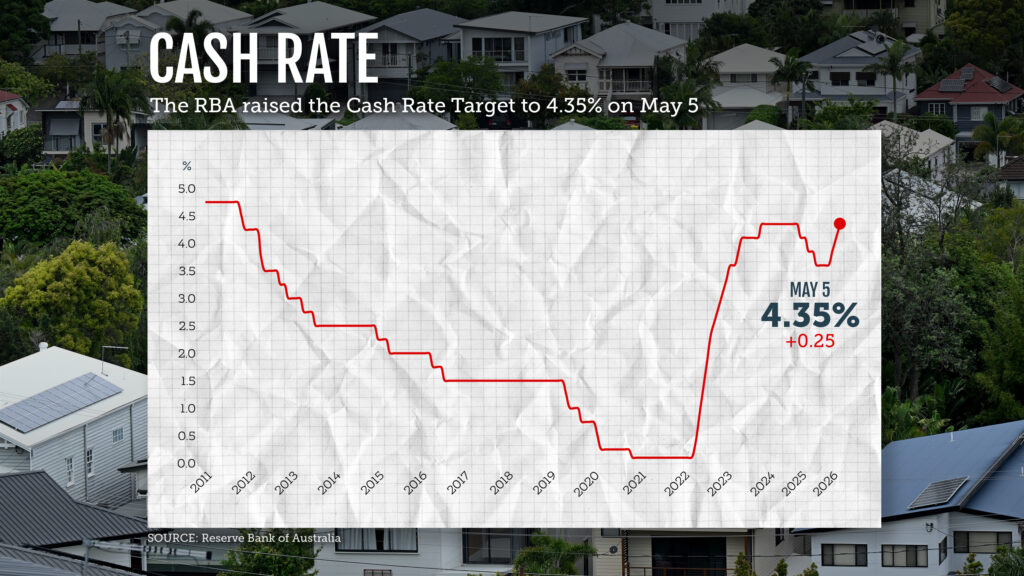
The end of the long-term trend in falling mortgage rates from 1989 to 2021, a political shift towards lower immigration, record unaffordability and the axing of property tax concessions in the federal budget point to higher rental yields and lower house prices.
“If the property super-cycle upswing is over, it could mean a decade or so of real house prices ranging sideways and a moderation in home price to income ratios,” Oliver said.
“It could also mean that cyclical downturns in property prices are deeper and upswings take longer for prices to reach new record highs.
“The ongoing housing shortage remains the key sticking point though, so it’s hard to be definitive as to whether the property super cycle has ended or not.”
Commonwealth Bank senior economist Trent Saunders said prices had undershot the bank’s forecasts across all capital cities, especially in the previously booming markets of Perth and Brisbane.
Prices were down 0.6 per cent and 0.2 per cent respectively in Brisbane and Adelaide, while Perth was down 0.3 per cent for the quarter.
CBA’s forecasts assumed the underlying supply shortfall would mean the mid-sized capitals avoided outright price declines, but that assumption had been proved incorrect, Saunders said.
Deputy opposition leader Jane Hume said the housing tax changes were causing uncertainty in the market.
“Too many Australians are now holding back from buying their first home because they’re concerned that the moment they buy it, the value is going to decrease – they might find themselves in negative equity,” she said.
But treasurer Jim Chalmers said Labor’s controversial changes to the capital gains tax discount and scaling back of negative gearing would not stop prices rising in the long term, albeit at a slower rate.
The decline has been led by properties at the top end of the market, with affordability pressures and the government’s extended first home buyer deposit guarantee supporting the lower end.
Homes in the top quarter of the market lost 3.2 per cent of their value in the three months to July, compared to a 0.3 per cent gain in the lower-price tier.
For those looking beyond metropolitan areas, the regional median also dropped 0.2 per cent in the month, the first such decline since January 2023.
As well as three Reserve Bank rate hikes so far in 2026, consumer sentiment has been soured by high living costs and uncertainty caused by the ongoing US-led war in Iran.