
Buyer hesitancy leads to stable market
REIWA boss says 'the biggest change in the past few months has been in consumer sentiment'.
A RAFT of varying conditions has seen Perth’s property market become more more balanced following years of strong growth and rapid sales.
According to the latest data from Real Estate Institute WA, active listings for sale remained above 6000 in July and the time to sell a home increased further.
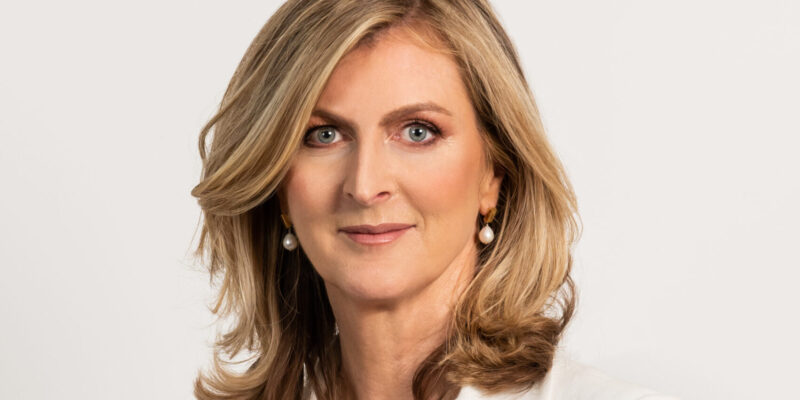
REIWA president Suzanne Brown said consumer sentiment had played a strong role in the change in the market.
“We have said for a long time that for the market to change there would need to be a significant shift in demand or supply,” Brown said.
“While there hasn’t been a major increase in new housing supply, the supply of homes for sale has returned to long-term levels after experiencing a shortage in late 2025 and early 2026.
“However, the biggest change in the past few months has been in consumer sentiment.
“People like stability and certainty. There hasn’t been a lot of that lately and it’s led to hesitancy among buyers and a reduction in sales activity.”
Brown said three interest rate rises earlier this year have made buyers very prudent and price-conscious.
“People are again avidly watching inflation figures and I feel there are many potential buyers who are waiting for interest rate decisions in August and September,” Brown said.
“The rising cost of living, the ongoing conflict with Iran, and the changes to taxation policy are also impacting sentiment.
“Compounding this are media stories focusing on east coast markets. There is a lot of catastrophising at the moment. This is typical when there is a shift in the market, especially when the change is relatively quick.
“We need to remember that WA is not the east coast. Our market is very different.”
The median house sale price rose 2.2 per cent over the month to $950,000. This was 18 per cent higher year-on-year.
The median unit sale price increased 1.6 per cent in July and 22.7 per cent over the year to $681,000.
Brown said REIWA expected prices to record growth over the year but there would be a definite softening in the rate of growth.
“Based on current conditions we can comfortably say the rate of growth has peaked but that doesn’t mean the market has crashed,” she said.
“I know there are a lot of questions about where the market is going, especially as there are many providers of market data and we all use different methodologies and report different things.
“Some reporting may show prices have declined this month, others may show growth.
“There are going to be ups and downs in price data over the coming months.
“As market conditions vary from suburb to suburb, a rise or fall in the Perth median does not mean the same will occur everywhere. You need a local agent to tell you what factors are affecting prices and demand in your area.
“Broadly speaking, sellers do need to understand that buyers now have more choice, more time, and more negotiating power than they have had in a number of years.
“If you want to sell, you need to listen to feedback from your agent and price to meet the market, not on what you’d like to achieve.”
The suburbs that saw the most median house sale price growth in July were Harrisdale (up 3.4 per cent to $1,055,000), Willetton (up 3.0 per cent to $1,481,250), Southern River (up 2.9 per cent to $1,080,000), Dudley Park (up 2.6 per cent to $800,000) and Currambine (up 2.4 per cent to $1,091,000).
Eglinton, Wellard, Armadale, Hamilton Hill and Scarborough were also among the top performers, recording growth of 1.9 per cent or more over the month.
The suburbs that saw the most median unit sale price growth were Claremont (up 11.5 per cent to $1,092,500), Rivervale (up 1.9 per cent to $642,000), Belmont (up 1.7 per cent to $590,000), Cockburn Central (up 1.7 per cent to $600,000), and Tuart Hill (up 1.6 per cent to $710,500).