
Home buyers deserve ‘a fair go’ with stamp duty
AICNSW boss says 'consumers purchasing houses are disadvantaged because they cannot know with certainty how much tax is due'.
UNCERTAINTY over stamp duty calculations in NSW could have “an adverse effect” on the housing decisions of homebuyers.
The Australian Institute of Conveyancers NSW believes the correct interpretation of stamp duty indexation should be referred to the Supreme Court for a ruling to provide clarity for home-buying consumers.
The different methods of calculation applied by Revenue NSW mean home buyers may be paying more tax than they should.
Section 106 of the Taxation Administration Act 1996 allows the Chief Commissioner of State Revenue to refer matters to the Supreme Court regarding the correct interpretation of stamp duty indexation provisions.
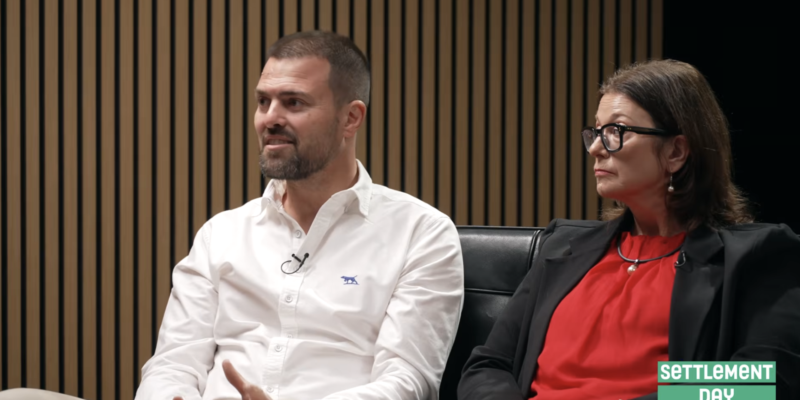
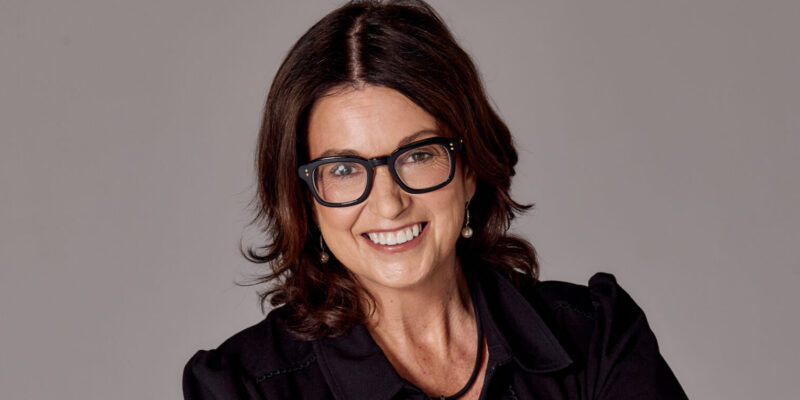
“The calculation of stamp duty is a complex area of taxation law,” AICNSW president Jennie Tonner said.
“Consumers purchasing houses are disadvantaged because they cannot know with certainty how much tax is due.”
Tonner said home buying is the single biggest investment most people make.
“People in NSW deserve a fair go and should know that the amount of tax they are paying is correct.
“The best way to resolve this is for the Supreme Court to confirm the correct method of calculating the tax due.
“The buying and selling of property is a major driver of the economy, so anything that creates uncertainty can adversely affect whether buyers proceed and the price they are prepared to pay.
“This uncertainty has a knock-on effect on the wider economy, as so many businesses are impacted when there is instability in the housing market.
“The AICNSW calls on the CCSR and the NSW minister for finance to refer this matter to the Supreme Court as soon as possible, as this is in the best interests of the community and property buyers across the state.”