
Home building approvals drop challenges national 2029 target
While there have been mixed results in terms of the number of home development approvals in August, the national data shows a drop.
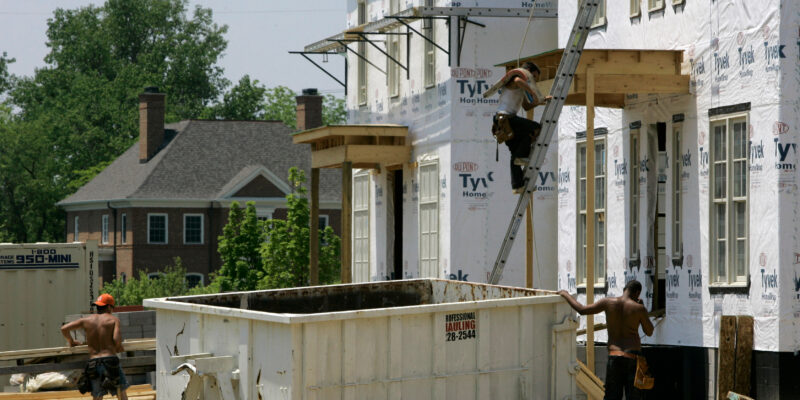
AUSTRALIA’S hope of building 1.2 million new homes by June 2029 appears to have taken another hit with the latest Australian Bureau of Statistics release.
Seasonally adjusted data shows the total number of dwellings approved fell 6.1 per cent in August to 16,953.
Approvals for private dwellings excluding houses fell by 21.2 per cent, after a 0.8 per cent rise in July.
Those non-house dwellings include townhouses, apartments, semi-detached, row and terrace houses.
But private sector house approvals rose 3.7 per cent to 10,885 dwellings in August, following a 1.9 per cent fall in July.
That’s 18.4 per cent higher than a year ago.
“This marked the eight months in a row with more than 10,000 private sector houses approved across Australia,” said Daniel Rossi, ABS head of construction statistics.
South Australia recorded the largest rise in private sector house approvals, up 27.7 per cent, following a 12.8 per cent fall in July.
Western Australia rose 8.6 per cent, after a 1.8 per cent July rise.
Meanwhile, NSW had the only fall in private sector house approvals, falling 4.5 per cent.
Private sector dwellings excluding houses fell 21.2 per cent, to 5,674 dwellings, to be 2.1 per cent lower than August 2025.
In original terms, apartment approvals fell 24.9 per cent to 3,268 dwellings. This is 19.8 per cent lower than the average from the past twelve months (4,074 dwellings).
“Queensland led the fall in apartment approvals in August,” Mr Rossi said. “Queensland saw 337 apartments approved this month compared with 1,330 in July.”
Approvals for townhouses were also down, falling 20.7 per cent to 2,546 dwellings in original terms, after a 10.3 per cent rise last month.
The August result is 11.3 per cent lower than the average over the past twelve months (2,869 dwellings).
The value of total building approved fell 21.3 per cent to $16.82 billion, driven by a fall in non-residential approvals.