
Grim times ahead for Australia’s housing construction
Peak housing body says 'interest rates and tax increases set to reduce the number of new homes that would have been built'.
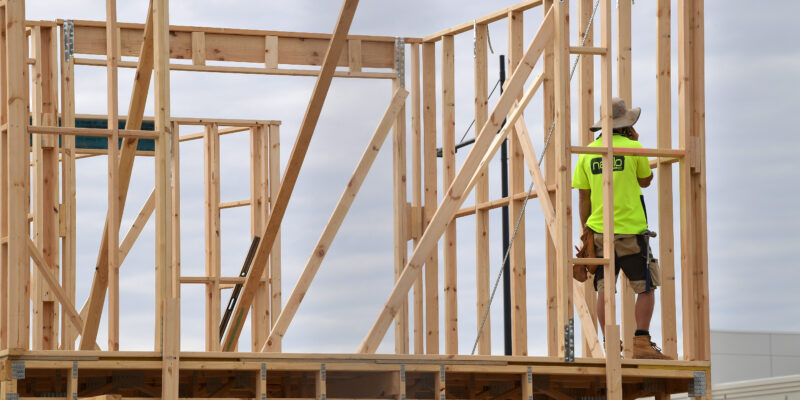
HOUSING Industry Association believes last week’s interest rate rise “will further reduce the number of new homes Australia builds”.
And it comes at the time when “increased supply is the only sustainable solution to the affordability challenge”.
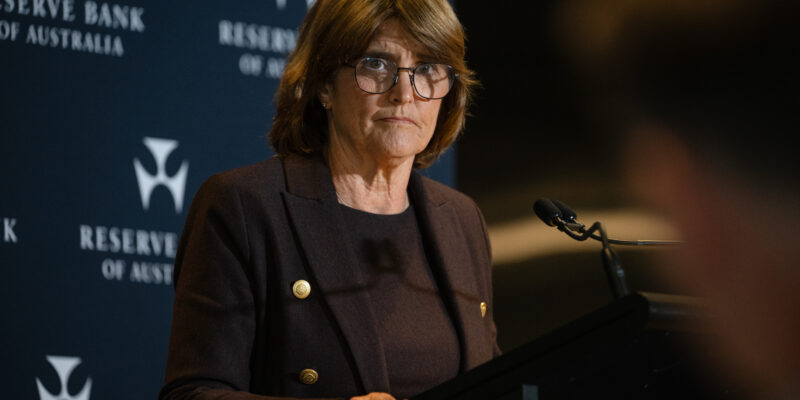
The Reserve Bank of Australia delivered its fourth rate hike this year, more than reversing last year’s cutting cycle and bringing the benchmark cash rate up to 4.6 per cent, its highest level since late 2011.
HIA senior economist Tom Devitt said: “Higher interest rates are reducing the capacity of households to purchase a home and the volume of new homes the industry builds.”
“New home sales have fallen for four consecutive months to August, down by almost 20 per cent for the quarter.
“Interest rates and tax increases appear set to reduce the number of new homes that would have otherwise been built, without reducing the number of households seeking accommodation.”
Devitt said rising rates make the task of all three tiers of government increasingly urgent.
“It is possible that Australia will experience falling home prices, falling new home construction and worsening housing affordability,” he said.
“If interest rates are to remain restrictive because aggregate demand is too strong, governments cannot simultaneously leave untouched all of the structural costs of producing housing and expect to build 1.2 million homes.
“Reducing taxes, infrastructure charges, regulatory costs and delays imposed on new housing would improve affordability while increasing supply.”
He added the Productivity Commission has identified the next wave of major productivity gains in housing increasingly needs to come from outside the building site.
“Housing productivity should be measured by how quickly, and at what cost, governments can turn land, labour and capital into a completed home,” Devitt said.
“Productivity gains onsite cannot offset the cumulative growth of regulatory changes, taxes and charges that make projects unviable.
“If government taxes on housing are left untouched, then monetary settings will reduce the supply of housing today while inadvertently reducing housing affordability for future first home buyers.”