
Construction costs on the improve
But Cotality says 'timing and magnitude of future increases will depend on how domestic and global market conditions evolve'.
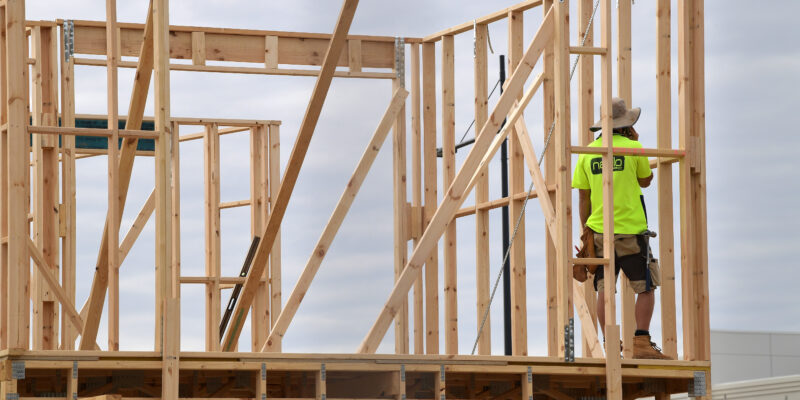
National construction costs stabilised through the September quarter but underlying uncertainty still clouds the industry.
Property data firm Cotality’s Cordell Construction Cost Index recorded a one per cent increase in construction costs nationally over the quarter, a significant acceleration over the past two quarters from the subdued 0.2 per cent increase recorded at the beginning of 2026.
On an annual basis, construction costs increased by 3.2 per cent over the 12 months to September 2026, up from the previous quarter’s annual increase of 2.8 per cent.
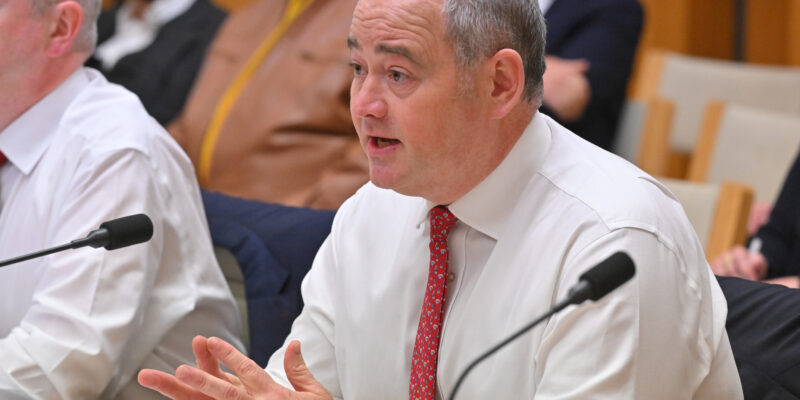
John Bennett, Cotality’s Cordell Costings estimation manager, said the September quarter results suggest a clear resurgence in construction cost momentum, signalling the sector has returned to a more typical price escalation cycle.
“The subdued conditions at the beginning of the 2026 were an anomaly and that expectations of sustained cost easing may have been short-lived,” Bennett said.
“The return to quarterly growth of one per cent brings cost escalation back into line with the levels recorded in late 2024 and 2025, highlighting the continued resilience of underlying construction cost pressures across the country.”
However, Bennett noted the rate of escalation remains at historically subdued levels and below the rates commonly experienced throughout the post-pandemic period.
Western Australia continues to lead the nation in construction cost growth, recording a 1.1 per cent uptick for the September quarter.
Despite WA’s pace, the broader national trend remains one of moderation.
Victoria and South Australia recorded the lowest growth nationwide at 0.9 per cent, even after strengthening slightly, while NSW and Queensland matched the national benchmark at one per centr.
Over the longer term, Bennett said all states continue to track below their five-year averages, with Queensland and Victoria performing slightly better relative to national figures..
Looking ahead, Bennett warned that broader ripple effects will continue to cloud the construction sector’s outlook for the remainder of 2026.
“There is continued uncertainty,” he added.
“While underlying cost pressures remain evident, the timing and magnitude of future increases will largely depend on how domestic and global market conditions evolve, making this a key area for ongoing review.
“In summary, the September quarter results confirm a renewed acceleration in construction cost growth, although the rate of escalation remains well below long-term historical averages.”