
Chance to address ‘flaws’ in upcoming tax amendments
UDIA boss says 'this is a critical inquiry because it is clear that the current housing tax settings simply don’t make the grade'.

A FURTHER Senate inquiry into proposed government housing tax changes “is an opportunity to air, debate and address critical flaws in the legislation”.
This is the view of the Urban Development Institute of Australia, which supports the Senate’s decision to scrutinise the government’s capital gains tax and negative gearing amendments.
The advocacy group said unresolved concerns risk discouraging critical investment in infrastructure and undermining the delivery of new homes across Australia.
Last week, the Senate’s Economics Legislation Committee opened a further inquiry into the Treasury Laws Amendment Bill and the Income Tax Rates Amendment Bill.
Submissions to the inquiry close on October 29 with a report due back on November 13.
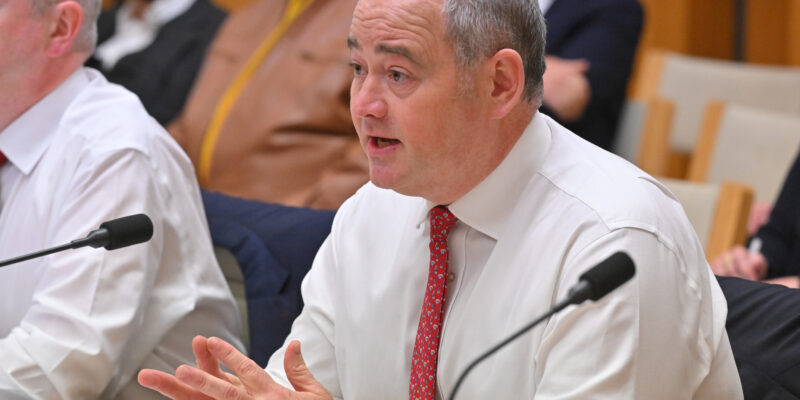
UDIA national president Oscar Stanley said the inquiry provides an important opportunity to examine the proposed legislation in greater detail and address concerns raised by industry.
“This is a critical inquiry because it is clear that the current housing tax settings simply don’t make the grade and are jeopardising the financial stability of the very organisations we rely on to build our cities and housing,” Stanley said.
UDIA acknowledges positive changes to the proposed taxes, including the removal of the widows tax, the exclusion of retirement living and more targeted tax avoidance provisions.
But significant concerns remain about the proposed trust taxation arrangements, which will impose substantial costs and compliance delays on businesses already struggling in the current high-cost environment.
In particular, the proposed rules could impose additional financial and compliance burdens on developers and investors, including commercial infrastructure and development trusts that play an important role in attracting international investment into new supply.
Further concerns remain about the proposed fixed income election regime and incomplete rollover arrangements, which risk significant restructuring and stamp duty costs for industry.
“There are substantial unanswered questions from industry and the inquiry is an opportunity to air, debate and address critical flaws in the legislation,” Stanley said.
“At a time when Australia is already falling well behind its housing targets, we need policy settings that encourage investment, support development feasibility and enable the delivery of more homes.”