
Regional areas beating the cities in the population stakes
Over 10 million people calling regional Australia home because of better value in housing and cost of living relief.
More than a third of Australia’s total population is now living in regional Australia, according to fdrecent Australian Bureau of Statistic data.
And it is smaller centres close to major urban areas that are recording high growth rates.
Just over 10 million people now call regional Australia home and Western Australia is leading the way with its regional population growing faster than the cities.
New ABS Estimated Regional Population (ERP) data shows Australia’s regional and remote population grew by 1.1 per cent in 2025, reaching 10.02 million, up from 9.91 million in 2024 and up 6.3 per cent since 2020.
An analysis of the data by the Regional Australia Institute provides insights into the local government areas seeing the most growth.
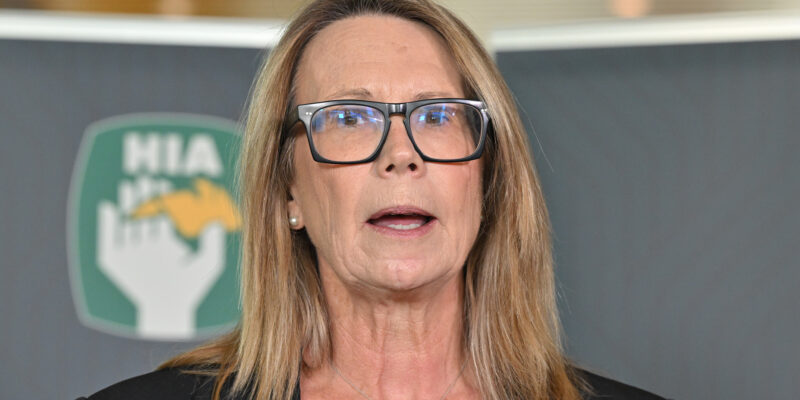
RAI CEO Liz Ritchie said regional Western Australia had the highest growth rate (1.9 per cent) among the regions, while Tasmania was the lowest on 0.3 per cent. Perth had the highest growth rate among the cities (2.4 per cent).
“Digging into this data gives us a better understanding of what is happening in the regions,” Ritchie said.
“We see Western Australia dominating our table of top 10 regional LGAs by growth rate – with Serpentine-Jarrahdale, with its natural beauty and closeness to Perth, leading the way with 4.5 per cent growth.
“This is well above the metropolitan average growth rate of 1.8 per cent. This shows the value Australians place in the benefits of a regional lifestyle, while still needing the amenities that being close to a major city provides.
“These smaller centres, close to major cities have seen bigger growth rates than major metropolitan centres (8.7 per cent versus 8.5 per cent) over the last five years,” she said.
The only LGAs outside of Western Australia to make the top 10 regional areas for growth rate are Mitchell in Victoria (second on 4.2 per cent growth) and Adelaide Plains (sixth on 3.8 per cent growth). Both are only a short distance from their state capitals.
Ritchie said the growth rate tells the story of places that are expanding, while the population increase shows the absolute growth numbers for LGAs.
“When we look to population growth, many of these regions are reflected in our Regional Movers Index, the latest report was released just last week.
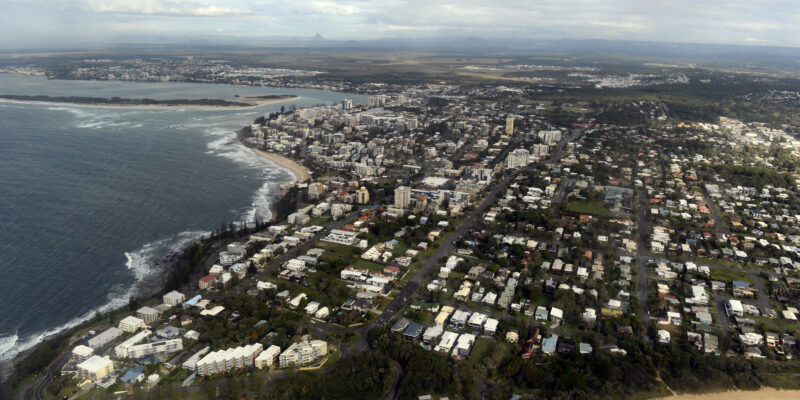
“We know the Gold Coast (annual change 11,944 people) is popular with capital city movers, while our perennial favourites across the board – the Sunshine Coast and Greater Geelong – are second and third by annual change in population numbers.
“Fraser Coast and Lake Macquarie also rate a mention in the top 10.”
Ritchie said the data makes a strong case for a National Population Plan that identifies growth areas in the regions and puts investment into those places to ensure the infrastructure, housing, childcare and health resources are there to support that community to maximise the population growth.
“We know regional Australia is growing, we have had evidence of that going back well before the COVID-19 pandemic. Now we need to support those communities to grow and prosper as Australians vote with their feet and move out to the regions.”
There are different factors determining population growth through the regions.
Queensland is experiencing population growth from all angles – natural increase, net internal migration and overseas migration.
“Gold Coast, Townsville and Cairns are all seeing population growth from net overseas migration and natural increase, while Sunshine Coast and Fraser Coast see more from internal migration,” Ritchie said.
“In Victoria, Greater Geelong is boosted by internal migration as well as natural increase and overseas migration, while Darwin is also seeing more babies arrive and overseas migrants adding to their population numbers.”
Of the regional LGAs, 54 of them had a growth rate higher than the metropolitan average of 1.8 per cent.
“This includes regions like Byron, Maitland, Cessnock and Fraser Coast. It tells us the focus on our metropolitan population, while growing, misses the vital work that needs to be done to support regional areas with significant growth.
“The regional renaissance shows no signs of slowing down. We know more than one third of city dwellers are considering a regional move and we know why – housing affordability, cost of living pressures and the chance to get back to nature.
“We need governments to keep pace with what Australians already understand and that is regional living is a genuine and desirable choice.
“Our focus should be on making it possible for people to live where they want, without compromising access to essential services and amenities,” Ritchie said.