
Proposed tax changes will force investors away from housing
Peak body says 'core challenge is supply' and government's Budget changes 'do nothing to address it'.
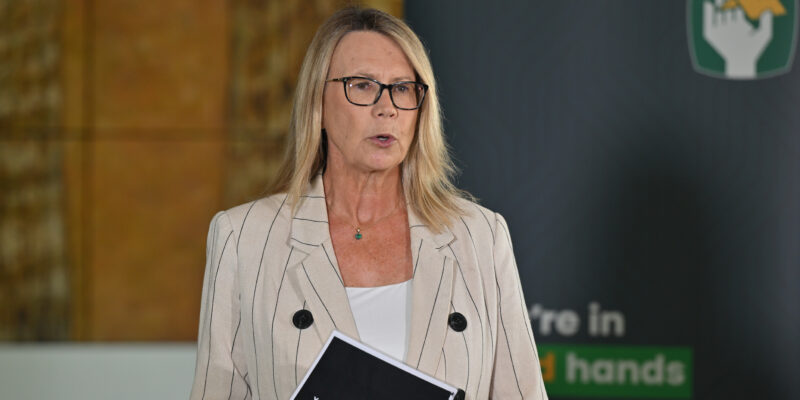
THE Housing Industry Association has told a Senate Inquiry that the Federal Government’s proposed tax changes will result in 35,000 fewer homes.
HIA warned the reforms risk undermining the government’s broader housing agenda and called on senators to reject measures that Treasury also expects will reduce housing supply.
“At a time when Australia is struggling to build enough homes, Treasury is forecasting these tax changes will deliver 35,000 fewer homes,” said Jocelyn Martin, HIA’s managing director.
“That’s an extraordinary admission for a policy being sold as improving affordability.
“You cannot solve a housing supply crisis by making housing investment less attractive. More investment builds more homes – less investment builds fewer.”
Martin said the reforms rely on unrealistic assumptions about investor behaviour.
“The changes assume investors will simply redirect their money into new housing. In reality, housing competes with shares, commercial property, term deposits and countless other investments.
“Investors are free to take their capital elsewhere – and Treasury’s modelling suggests many will do exactly that.
“The result will be fewer projects proceeding, fewer homes being built and even greater pressure on affordability.”
Martin said the policy would do little to address the underlying supply challenge.
“Budget papers indicate that around 75,000 existing homes may shift to owner-occupiers over the next decade. While increasing home ownership is a worthwhile goal, it does not increase the number of homes – it simply redistributes them.
“Our core challenge is supply and this policy does nothing to address it.”
She added the impact would be particularly acute in regional Australia, where smaller investors are critical to delivering new housing.
“In many regional communities, there are no large institutional investors waiting in the wings. Local investors are often the difference between projects proceeding or not.
“Reducing their participation risks stalling much-needed housing supply in these areas.”
HIA also said the reforms fail to recognise the role of diverse housing supply pathways, including knock-down rebuilds and medium-density developments.
“A knock-down rebuild that replaces an ageing home with a modern, energy-efficient dwelling should be encouraged, not penalised.
“It is also unclear why housing options such as dual-key developments and granny flats are overlooked, despite their capacity to increase supply.”
Martin said the changes come at the worst possible time, with Australia already behind schedule to meet the National Housing Accord target of 1.2 million new homes.
“If we are serious about affordability, every policy should be judged on one question: will it deliver more homes?” she said.
“On Treasury’s own numbers, these changes fail that test.”