
Data shows rental situation ‘worsening’
Real estate body says 'there is a no short-term fix to this dire situation but we can stop continuing down this destructive path'.
A LACK of houses available for rent in NSW is causing a “societal disaster”.
New data from the Real Estate Institute of NSW reveals the sheer depth of the state’s rental crisis, with figures showing that, even though demand for rental properties is growing rapidly, the number of homes being rented is falling.
REINSW data shows the number of residential tenancy agreements signed in NSW declined by more than 25,000 between FY25 and FY26.
During the 2024-2025 financial year, there were 271,618 tenancy agreements signed, meaning there were 271,618 properties a tenant either signed a lease to move into or remain.
However, this number plummeted to 245,249 in the 2025-26 financial year, with about 800 fewer residential tenancy agreements signed between May and June this year alone.
At the same time, REINSW analysis of the number of exclusive management agreements signed – equating to the number of properties for which a property manager has been appointed – is declining year-on-year.
The number of exclusive management agreements signed in 2023-24 was 77,641. In 2024-25, this dropped to 74,339 and was down to 72,296 in 2025-26.
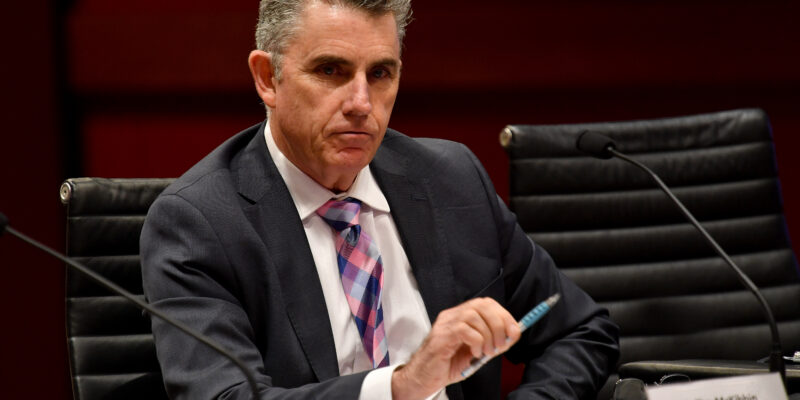
REINSW CEO Tim McKibbin said the growing disconnect between the number of people looking for a home to rent, and those who have found one, is deeply concerning.
“The situation for renters is worsening,” McKibbin said.
“When demand among renters is as strong as it currently is, a natural market response would be the increased absorption of rental supply.
“But legislative changes have distorted the market’s ability to respond. What we’re left with is a spiralling societal disaster.”
Rental bonds data from NSW Fair Trading reinforces the reversal of fortune for renters.
In its latest Rental Bonds Data Insights Pack for June 2026, Fair Trading analysis shows the number of rental bonds currently held declined over the previous quarter, with a significant drop from May to June.
Additionally, the length of rental tenures has declined 0.9 per cent over the past year, according to Fair Trading, meaning those lucky enough to find a home to rent are not able to remain there as long.
McKibbin said the rental reversal raises uncomfortable questions.
“It’s not just where all these hopeful renters are living, but how are they living?” he said.
“And for those who did have a home to rent and no longer do, where did they go? After all, only a small percentage have moved into the first home buyer category.
“Consistently rising rents are making it harder than ever for tenants to save a deposit.
“Recent changes to residential tenancy laws are clearly having the opposite effect and, with more changes on the horizon as a consequence of the Federal Budget, the rental reversal could become even worse.
“A moratorium on new residential tenancy legislation is needed now, alongside an independent review of the real-world implications of recent legislative changes.
“There is a no short-term fix to this dire situation but we can, at the very least, stop continuing down this destructive path,” he said.