Action speaks louder than words
New report shows 'NSW can’t accommodate millions more people without building more homes and making cities more productive'.
LONG term projections for more housing and productivity reform must be matched by practical action to get viable projects under construction.
This is the view of the Property Council of Australia following the release of the 2026-27 NSW Intergenerational Report.
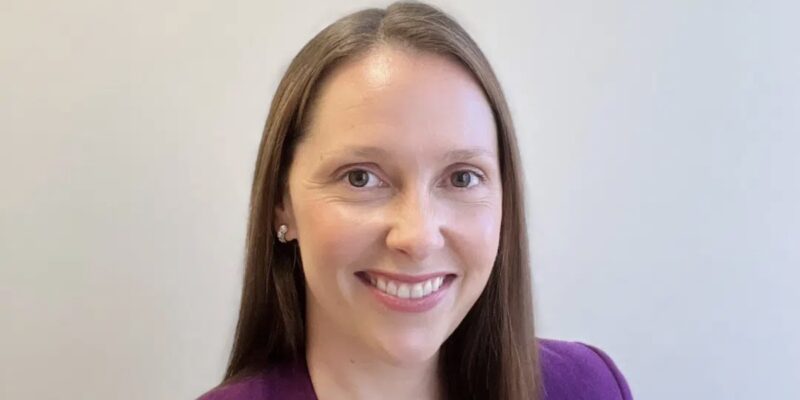
Property Council NSW executive director Katie Stevenson said the report reinforced the Council’s sustained advocacy on planning reform, housing supply, productivity and tax.
“This report makes clear that NSW can’t accommodate millions more people, lift living standards and maintain essential services without building more homes and making our cities more productive,” Stevenson said.
“Treasury has provided powerful evidence for allowing more homes close to jobs, transport and services, and for treating planning and housing reform as economic reform.
“The government deserves credit for the planning reforms already underway but planning capacity is not the same as housing delivery.
“A rezoning doesn’t become a home unless the project is feasible, financed, serviced and able to move into construction.
“Construction costs, taxes, charges, infrastructure delays, workforce constraints and access to capital all determine whether a project proceeds.
“Those barriers deserve the same policy attention as rezoning and assessment reform.”
Stevenson said one of the clearest warnings in the Intergenerational Report is the growing pressure climate change and population growth will place on emergency services funding – important context for the NSW Parliamentary Committee examining long-term options for reform of the levy.
“The Intergenerational Report confirms demand for emergency services will increase as NSW’s population grows and climate-related disasters become more frequent and severe – that makes getting the funding model right more important than ever,” Stevenson said.
“Emergency services protect the entire community and support the functioning of the state’s economy.
“As these costs grow, we need to consider a broad-based, fair and sustainable funding approach that shares the burden among everyone that benefits, rather than introducing new taxes and charges on one sector.
“The economic reality is that additional costs on the property sector will flow through the economy, increasing costs for tenants, businesses and ultimately consumers,” she said.
“NSW can’t tax its way to prosperity and the best response to the challenges identified in this report is to make it easier for businesses to invest, build and create jobs.
“That means faster and more coordinated approvals, infrastructure delivered alongside growth, a skilled construction workforce, greater use of modern construction methods and investment settings that allow NSW to compete for mobile capital.
“The Intergenerational Report gives NSW a clear view of the destination and the task now is for government, industry and the community to build the delivery plan that gets us there,” Stevenson concluded.