
Bracing for impact: Rate tipped to hit 15-year high
A generation of mortgage holders is set to see borrowing costs hit a new high if the Reserve Bank hikes interest rates as expected.
MORTGAGE holders are set to shoulder hundreds of dollars more in monthly repayments compared to the start of the year, with interest rates expected to hit a 15-year high.
The Reserve Bank is widely tipped to hike interest rates for a fourth time in 2026 when it wraps up its two-day board meeting on Tuesday.
A 25-basis point increase in the cash rate would add $91 a month on a typical $600,000 mortgage, said Sally Tindall, data insights director at financial comparison site Canstar.
“The true pain is in the cumulative impact,” she said.
“Across what is likely to be at least four rate rises for the year; this borrower has to fork out an extra $364 a month compared to what they were paying at the start of the year.”
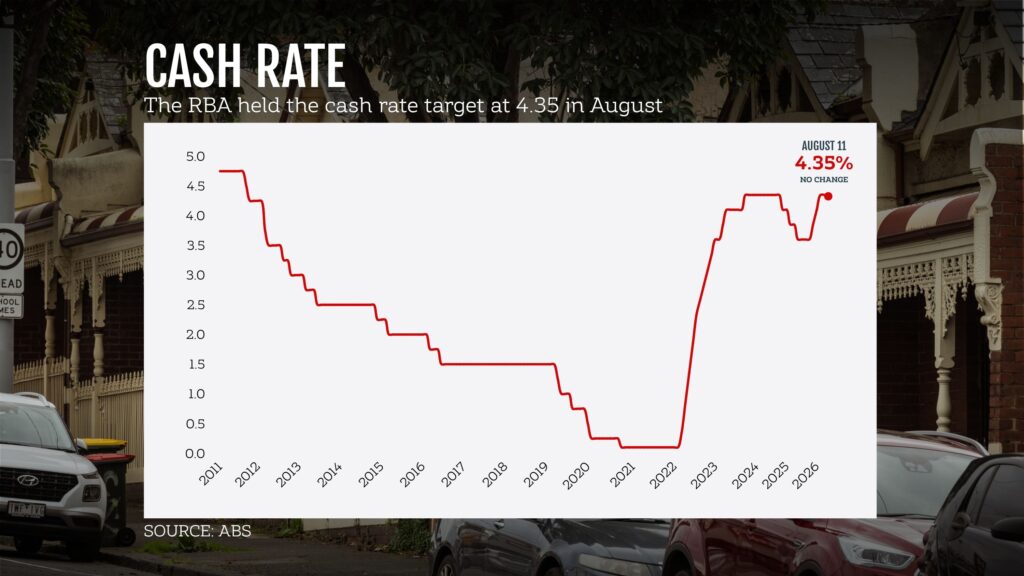
At 4.6 per cent, the cash rate is set to be the highest experienced by a generation of borrowers.
That will lift the average owner-occupier variable rate to 6.49 per cent, assuming the increase is fully passed on by lenders, which they usually are.
The difference since October 2011 – the last time rates were that high – is that soaring house prices have resulted in home loan debt rising from $1.05 trillion to $2.51 trillion over the same period, Ms Tindall said.
Hawkish communication from the RBA’s top brass in recent weeks has reinforced expectations among traders and economists a hike is all but inevitable.
With the Middle East conflict and the artificial intelligence boom pushing up prices for commodities and technology components respectively, the Reserve Bank board has seemingly lost patience and is willing to inflict greater costs on the economy and unemployment to get inflation down.
Comments by RBA governor Michele Bullock that unemployment needed to be between 4.5 and 5.0 per cent to help get inflation back under control were met with a furious response from union groups and the social service sector.
“Raising interest rates is creating unemployment by design, putting thousands of people out of work to slow the economy,” Australian Council of Social Service chief executive Cassandra Goldie said.
“Since interest rates started to increase, an extra 200,000 people are out of paid work.
“Increasing unemployment towards five per cent would cause a human disaster, locking people out of paid work for years and forcing them to rely on grossly inadequate income support payments.”
Treasurer Jim Chalmers also pushed back on Ms Bullock’s comments.
“What we have seen is that it’s possible in this country to have lower unemployment than (five per cent) at the same time as inflation comes off,” he told reporters on Monday.
“We have an inflation challenge in our economy not because unemployment is too low but because the price of petrol is too high and we’ve got other inflationary pressures in our economy.
“I’m reluctant to blame the workers of this country for our inflation challenge.”