

July 1 this year was a red-letter day for property-related professionals like conveyancers, real estate agents and solicitors.
It marked the effective start of their new roles and responsibilities under the Anti Money Laundering and Counter Terrorism Financing, or AML/CTF, Act.
A date when they needed to have enrolled with AUSTRAC and developed a plan to report dodgy clients and transactions.
Responsibilities many feared as an unreasonable impost but compulsory for anyone offering a “designated service”.
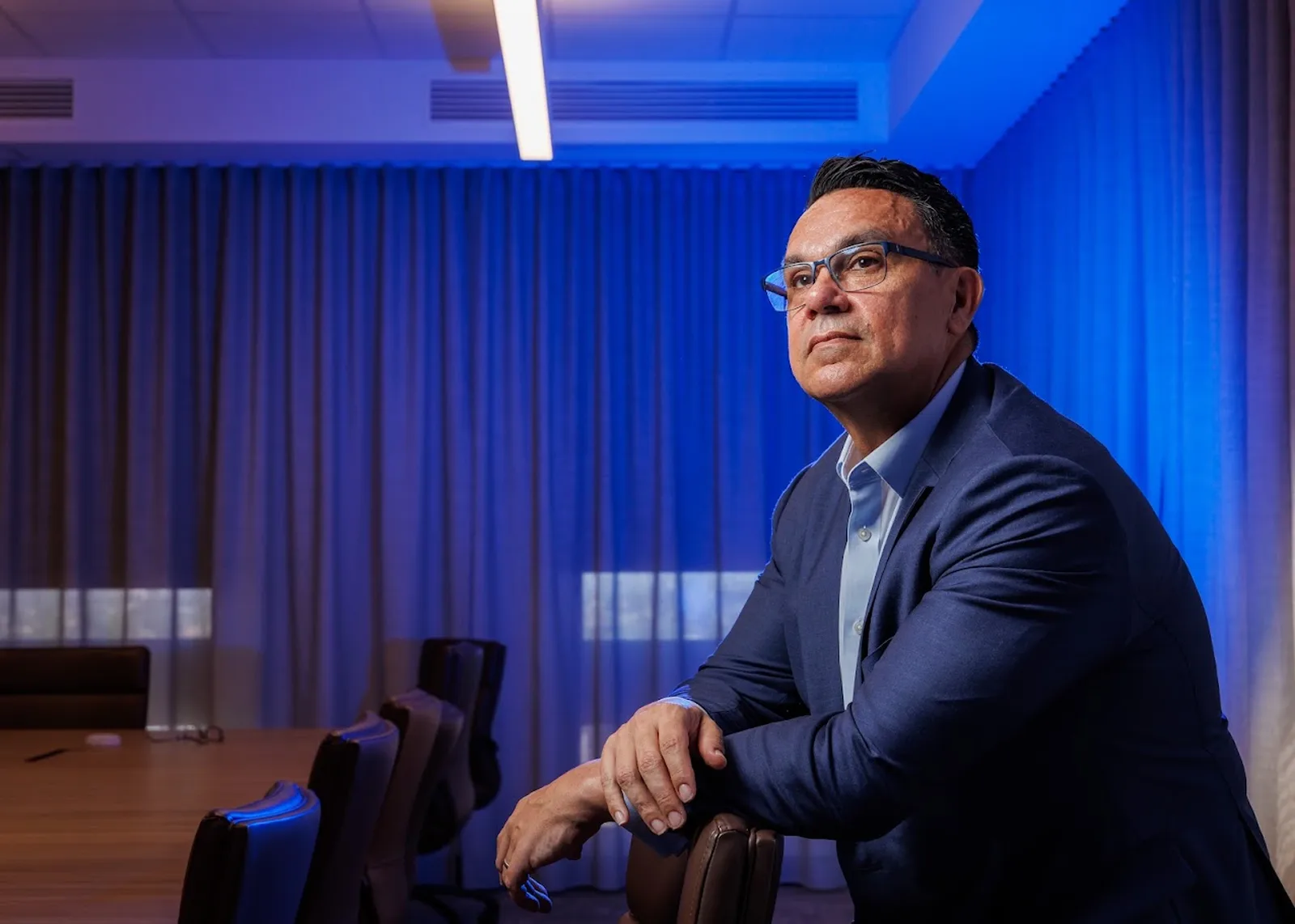
AC met AUSTRAC chief executive Brendan Thomas in his Sydney office to ask how it’s going so far.
“Pretty well, I think,” was the CEO’s verdict. “100 days? Sometimes it feels like a thousand days, or five minutes, at the same time.”
It’s been a busy time for all. But it seems conveyancers rate an A+ on the AUSTRAC report card.
“I have to say I think conveyancers are the best-engaged industry we have in Tranche 2,” Thomas said.
“We’ve got almost all the conveyancing businesses in Australia enrolled with us.
“The vast bulk of Suspicious Matter Reports are coming in real estate transactions and quite a number of them are coming from conveyancers. We’ve had hundreds of them, really good ones.”
If anything, conveyancers have perhaps been a bit too keen, eager to prove they’re taking their new obligations seriously.
Thomas said most conveyancing clients will be low-risk and confirming their identity and source of funds already comes naturally.
“People are learning as they go and, to be honest, I think in the first 100 days some are probably doing a little too much,” he said.
“A bunch of the things they need to do for AML, they’re doing anyway. Understanding a person’s identity, getting documents and checking them.
“The thing that’s different is risk. Does the person look risky or not?”
Examples from SMRs submitted so far include overseas buyers whose source of wealth can’t be confirmed, people who seem to be acting beyond their means, or with unexplained connections to third parties.
What’s important for conveyancers, Thomas said, is that they enrol with AUSTRAC, develop an AML program and appoint a compliance officer.
Failure to do so within 28 days of providing a designated service can attract big fines and some have already been imposed.
“We’ve issued some penalty notices,” Thomas confirmed. “I’m happy to say there are no conveyancers among them.”
The notices were issued at $21,840 for corporate entities and $4368 for individuals but can accrue on a daily basis.
There’s no escaping AUSTRAC’s oversight.
“We have our methods,” he added. “We’re cracking down. You’d have to have been under a rock not to know this was coming.”
The main disagreements – but not with conveyancers – have been over such things as the definition of a designated service or even the meaning of “cash”.
“Our definition of cash is someone with a bag of money,” Thomas said wryly.
He wants property professionals to appreciate the importance of AML. It’s estimated that drugs and illicit tobacco alone generate over $20 billion in dirty money in Australia each year.
“We can see lots of that going into the Australian real estate market,” he said.
“It’s because criminals want to move their money outside of financial institutions and they want it in an asset that holds its value.
“Tranche 2 is helping us understand the movement of that money … and we wouldn’t have the insight if it wasn’t for conveyancers giving us Suspicious Matter Reports.”
Thomas credits professional associations like the AIC and Real Estate Institutes with aiding the success of the rollout.
They helped to draft the new regulations and have worked hard to educate their members.
There’s also been keen interest in AUSTRAC’s own training material including videos, webinars, starter kits and a dedicated call centre called AUSTRAC Central.
“With starter kits there’s been a huge take-up,” he said. “We’ve had hundreds of thousands of downloads.”
Unfortunately the AML rollout and the professional eagerness to comply has also seen an uptick in scams.
Criminals are pretending to be from AUSTRAC, forging letterheads and even impersonating Thomas and other executives.
They’ve been using email, phone calls and SMS messages to demand sensitive information and money, including in Bitcoin.
“We’ve seen scammers requiring payments and successfully getting it,” Thomas said. He’s issued warnings to reporting entities and banks.
“AUSTRAC does not contact members of the public unexpectedly demanding payment,” he added.
It might take payment for levies and fines but never in virtual or cryptocurrencies or through social media apps like WhatsApp or Telegram.
The advice is the same for any potential target: if it’s unexpected or urgent, treat with caution. Stop. Think. Check, using the contact details on AUSTRAC’s website.
As its public advice states: “If you need to make a payment to AUSTRAC, we will notify you in writing and give you time to contact us if you have any questions or concerns.”
In this story
Part of an ongoing story