

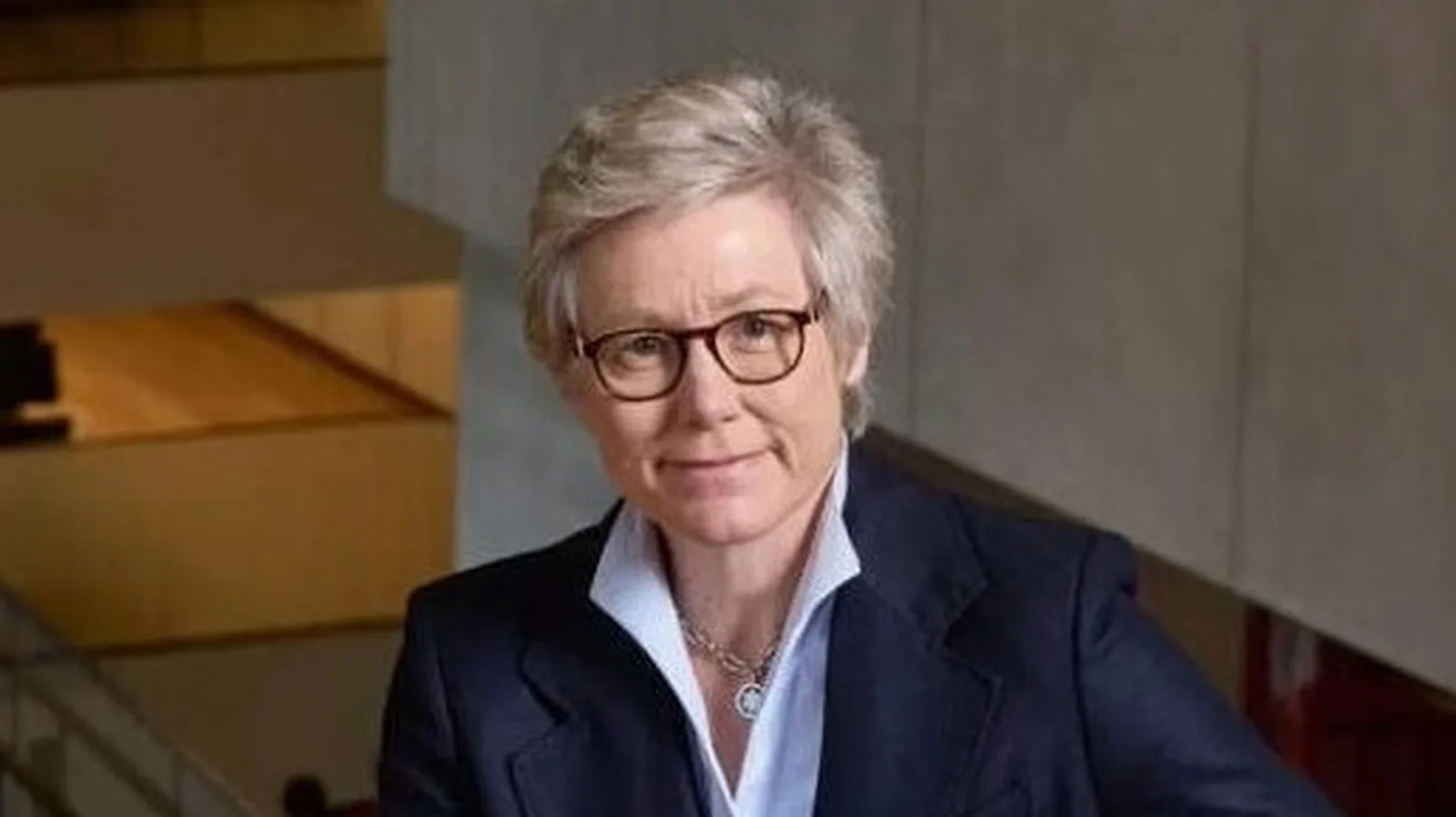
THE Reserve Bank of Australia has likely finished raising interest rates after five increases this year, according to the National Australia Bank.
NAB chief economist Sally Auld said interest rates were now high enough to meaningfully slow the Australian economy.
“We think the RBA are done,” Auld said.
§ Higher rates begin to slow economic activity
Last week, the RBA raised interest rates for the fifth time this year, including successive increases at its September and November meetings.
Auld said monetary policy was now “genuinely restrictive”. In simple terms, rates have reached a level that should meaningfully slow economic activity and help bring inflation back towards the RBA’s target range.
The latest increases will also take time to work through the economy.
Auld said the RBA had signalled it could now pause and assess how households, businesses and the broader economy respond.
There are already signs that economic activity is slowing.
Auld pointed to weaker growth in the first half of 2026, while NAB’s business survey shows business conditions remain in negative territory and below their long-run average. Momentum in household spending is also beginning to fade.
§ Inflation risk and a divided Monetary Policy Board
NAB’s view that rates have peaked does not mean another increase is impossible.
Inflation remains the key risk.
"The RBA would be sensitive to inflation readings that came in higher than its forecasts," Auld said.
The November increase was also a split decision. Six members of the Monetary Policy Board supported the rise while three opposed it. This compares with a unanimous nine to zero decision in September.
Auld said the split showed some board members were becoming more concerned about downside risks to economic activity.
"Over the next six months, attention could increasingly turn from inflation towards economic growth, unemployment, spending and housing," she said.
"The question is whether higher rates have slowed the economy enough to bring inflation sustainably back to target, while households and businesses already feeling financial pressure face the further impact of recent rate increases."
§ US election shifts investor focus to AI investment
The US midterm elections have changed the balance of political power in Washington, with Democrats controlling Congress while Donald Trump remains president.
Auld said the result could reduce some of the political risks markets had been considering before the election.
"But it has also created new questions around economic policy and the ability of the Trump administration to pursue parts of its agenda during its final two years," Auld said.
For investors, one of the immediate areas of focus is AI.
Huge amounts of money are being invested in the infrastructure needed to support AI, including data centres.
Auld said slower investment would not necessarily be negative over the longer term.
"Periods of rapid technological change can produce significant capital expenditure and excess capacity. Slowing the pace of development could reduce the risk of too much infrastructure being built too quickly.
"That means markets will be watching both the size and sustainability of AI investment."
§ US tariffs remain part of the new normal
The election may have shifted political power in Washington, but Dr Auld does not expect a major change in the direction of US tariff policy.
Trump introduced tariffs, particularly targeting China, during his first term.
Auld noted that the Biden administration did not significantly reverse that approach, suggesting there is broader political support for higher trade barriers between the US and China.
“I think tariffs are part of the new normal,” Auld said.
There are legal challenges testing some US tariffs. However, Auld said the Trump administration had made clear it would look at other ways to impose them if necessary.
For Australia, the bigger issue is not necessarily the direct effect of US tariffs. Rather, it is how changes to global trade affect economic growth, supply chains, inflation and financial markets.
§ The next test is how the economy responds
The focus is shifting from how high interest rates need to go to whether the increases already delivered are doing enough.
"Inflation remains important. But growth, unemployment, household spending and the housing market will provide important signals about the impact of higher rates," Auld said.
"Overseas, markets will be watching how the new US political landscape affects AI investment and global trade.
"For now, NAB’s view is that Australian interest rates have reached their peak. The next test is how the economy responds."
Frequently asked questions
Does NAB think interest rates have peaked?
How divided was the Monetary Policy Board on the rate rise?
What inflation risk could affect the RBA's outlook?
In this story