
First home buyer scheme leading to housing price rise
House prices for homes under thresholds for a five per cent deposit scheme are outstripping increases for all other homes.
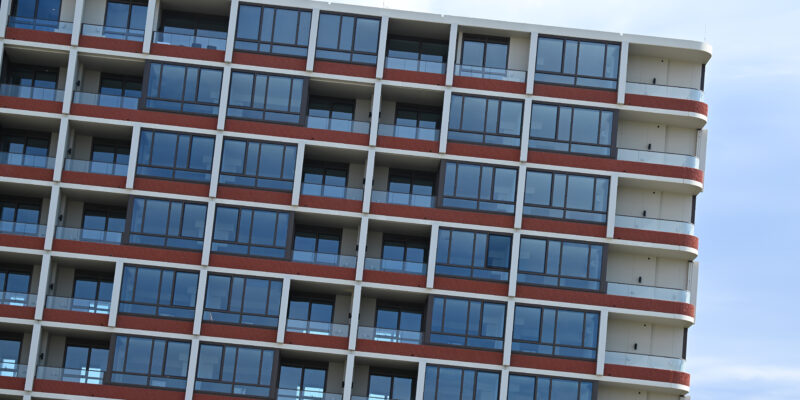
A SCHEME allowing more first-home buyers to enter the property market may be driving up house prices.
A report released on Thursday by Cotality found homes on the lower end of the property market, eligible for the federal government’s five per cent deposit scheme, recorded stronger price growth than higher-priced houses.
In the first six months after changes were made to expand the scheme, the price of eligible homes rose by 6.7 per cent, compared with 3.6 per cent for other properties.
Under the scheme, first home buyers can purchase eligible properties under a price cap with a five per cent deposit, with the federal government acting as a guarantor.
The biggest price gap was in Sydney, where homes below the price cap rose by 4.1 per cent, while those above the limits by 1.1 per cent.
All capital cities had higher price growth for homes below the price caps, except Canberra, where the increase was the same at 3.6 per cent.
Cotality said the anticipation of increased competition and price pressure following the scheme’s expansion in October was largely to blame.
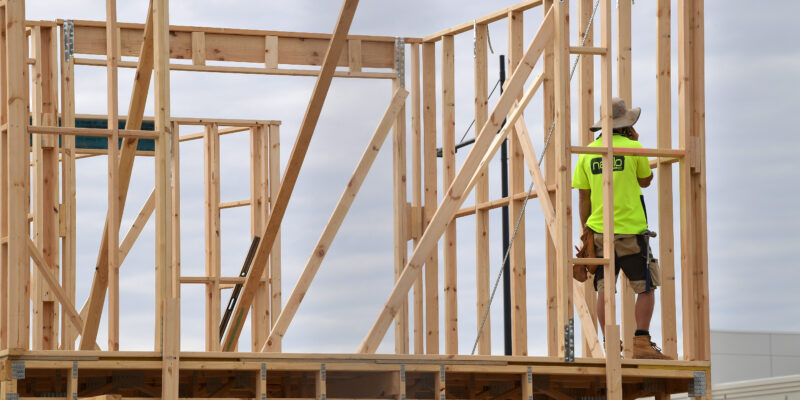
It comes as expectations of work in the building industry have tumbled because of the war in Iran, in a sign that the pipeline of new homes is set to shrink.
Expectations of forward work schedules decreased in every state and territory in March, the Property Council found in its quarterly survey of industry sentiment on Thursday.
It’s another setback to the National Housing Accord target of 1.2 million new homes by mid-2029.
State and federal governments have put increasing supply at the centre of their push to make housing more affordable.
Industry confidence was key to new supply, said Property Council chief executive Mike Zorbas.
“With costs high and confidence fragile, even relatively small increases in uncertainty can delay or stall projects before construction begins,” he said.
Since the Middle East conflict closed the Strait of Hormuz and disrupted global oil supplies, diesel prices have skyrocketed, and the cost of building materials, such as PVC pipes, has soared by up to 36 per cent.
Confidence levels fell by 19 index points to 104 – the largest quarter‐on‐quarter decline since June 2022 – according to the survey of 435 property developers, real estate agents and service providers.
Mr Zorbas said mooted changes to rein in property investor tax concessions increased uncertainty among developers and would reduce project feasibility.
But Jocelyn Martin, managing director of the Housing Industry Association, said reducing the capital gains tax discount for existing properties, while keeping a more generous concession for new builds, would encourage new supply.
“Of the current pool of investors, we know that about 80-odd per cent of them are buying existing homes,” she told a parliamentary inquiry on Wednesday.
“So perhaps changing the balance between new and existing would actually encourage some investors into new homes.”
Another way to boost supply was to reduce the time and cost of building new homes by improving the building sector’s productivity, which has fallen by 21.5 per cent in just over a decade, said Master Builders Australia policy director Melissa Byrne.