
Home builder cautious over war impact on supply chains
A major home builder says overall sales are healthy, despite some signs of a moderation in activity in April, as it watches supply chain impacts from the war.
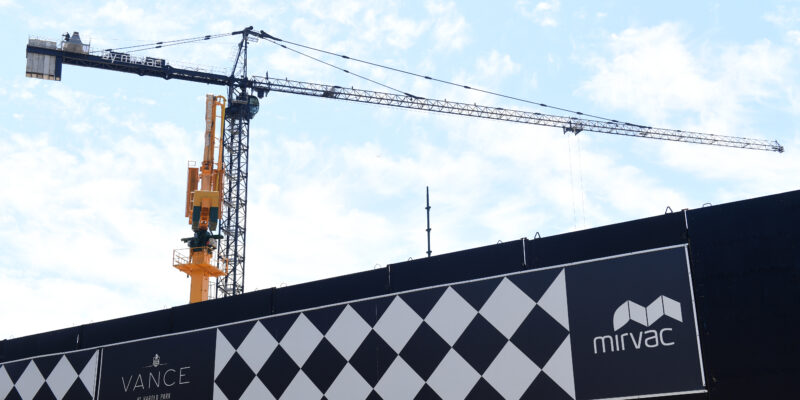
ONE of Australia’s biggest residential home builders is eyeing the Middle East conflict for potential impacts on its supply chains, after reporting an increase in property sales.
Mirvac, which specialises in apartments and residential communities, benefited from a 12 per cent rise in sales in its third quarter, with almost 600 lots changing hands.
Over the year ended March 31, residential sales jumped 28 per cent with almost 1900 lots exchanged.
Chief executive Campbell Hanan said sales remained resilient in NSW, Queensland and Western Australia, although activity had moderated in recent weeks.
“We are monitoring the potential impact of the conflict in the Middle East and are proactively managing the risks,” he told investors.
Mirvac, which is focused on managing its supply chains and protecting liquidity, has also encountered higher petrol prices driven by the US war on Iran, which began on February 28, which has increased the cost of civil works.
As well, while sales for selected projects moderated going into April after posting 281 sales in the month of March, “enquiry levels remain strong”.
“Our active projects remain on track,” Mr Hanan said.
“Overall, we have good visibility of earnings for the remainder of the financial year.”
In the broader housing market, there have been some signs of a moderation in sales activity in recent weeks, following back-to-back interest rate rises by the central bank in February and March.
Last weekend was the third week in a row that auction clearance rates were below 60 per cent due to sales withdrawals, according to market researcher Cotality.
The longer-term average clearance rate is around 64 per cent, with 70 per cent indicating a seller’s market and less than 60 per cent a buyer’s market.
Property Council chief executive Mike Zorbas said that since shipping traffic through the Strait of Hormuz was halted by the war, the cost of building materials, such as PVC pipes, has soared by as much as 36 per cent.
“With costs high and confidence fragile, even relatively small increases in uncertainty can delay or stall projects before construction begins,” he said.
In morning trading on the stock exchange, Mirvac’s stapled securities had dropped 1.5 per cent to $1.75.
In February, Mirvac reported a five per cent rise in 2025/26 first-half net operating profit to $248 million.
Its portfolio also includes office buildings, industrial assets, retail centres and build-to-rent projects.