

With three Australian cities named in the Top 10 of the 2026 Global Liveability Index, the data confirms what Aussies already know: we live in a desirable, world-leading country.
For over two decades, the Economist Intelligence Unit (EIU) has been comparing the quality of life and everyday living conditions of 173 cities worldwide to compile its annual in-depth report for respected political, economic and policy forecasters The Economist Group.
Measuring five key liveability metrics – stability, healthcare, culture and environment, education and infrastructure - the Global Liveability Index this year ranked Denmark’s cosmopolitan capital Copenhagen as the number one most liveable city for the second consecutive year, with picturesque Vienna in Austria coming runner-up.
Nipping at their heels were Melbourne and Sydney in third and fourth places respectively – with only 0.4 of a percentage point separating the two cities, while Adelaide wasn’t far behind at eighth on the EIU’s Index.
“Melbourne can have its third place this year because Sydney’s coming for number one,” Business Sydney executive director Paul Nicolaou told AC, as he lightheartedly throws down the gauntlet to his southern rival.
“The reality is having Sydney, Melbourne and Adelaide all in the world’s top 10 is a fantastic endorsement of Australia.
“But we shouldn’t become complacent in Sydney and our number four ranking gives us a very clear challenge: what do we need to do to become the world’s most liveable city?”
Melbourne’s Lord Mayor Nick Reece knows what it takes for a city to be crowned the world’s most liveable city, with Melbourne winning the top gong seven times in a row from 2011-2017, and he’s happy to share the love with his neighbours.
“I want to congratulate Sydney and Adelaide who both did well in this year's award,” Reece said.
“Australia is an urban nation and we have great cities – we are the only country with three cities in the global top 10."
Rising steadily year-on-year in the liveability ranks is Adelaide and the city’s Lord Mayor Dr Jane Lomax-Smith said a slow and measured approach could one day secure the win for the city of churches.
“We're quietly ambitious and we know Australians love an underdog,” Lomax-Smith said, “so we'll keep improving Adelaide and let Melbourne and Sydney worry about checking the leaderboard.”
Taking a substantial hit to its liveability during the dark days of the Covid lockdowns, Melbourne has clawed its way back to beat out its Aussie competition.
"This EIU award reflects all the things Melbourne does well: world-class healthcare, outstanding education, good transport, incredible cultural life, a clean environment, beautiful parks and gardens and a safe and welcoming city,” Reece said.
“In recent months Melbourne has been voted ‘World's Best City’ by Time Out and third most liveable by the Economist Intelligence Unit.
“It’s a long way from where we were a few years ago as the 'most locked down' city.”
Enjoying the benefits of relatively low air pollution and with a life expectancy amongst the highest in the world, Melburnians experience a climate of four seasons in a city which is more affordable than many other world-class cities like Hong Kong, Singapore and Sydney.
“Melbourne has been voted the world’s most liveable city seven times and to be third this year in the Liveable Cities Index is another great result,” Reece said.
“This is a result that all Melburnians can take pride in. We are a city that is world famous for its liveability.”
Achieving one of the highest global scores on the EIU Index for culture and environment (97/100), Melbourne has a vibrant arts and cultural scene with iconic events including St Jerome’s Laneway, Golden Plains and the Melbourne International Jazz, Film and Comedy Festivals.
Designated the second UNESCO City of Literature in the world and the first Creative City in Australia, Melbourne’s art scene includes the celebrated National Gallery of Victoria and Australian Centre for Contemporary Art.
The city also boasts the State Library of Victoria, the country’s oldest library founded in 1854, attracting almost two million visitors annually.
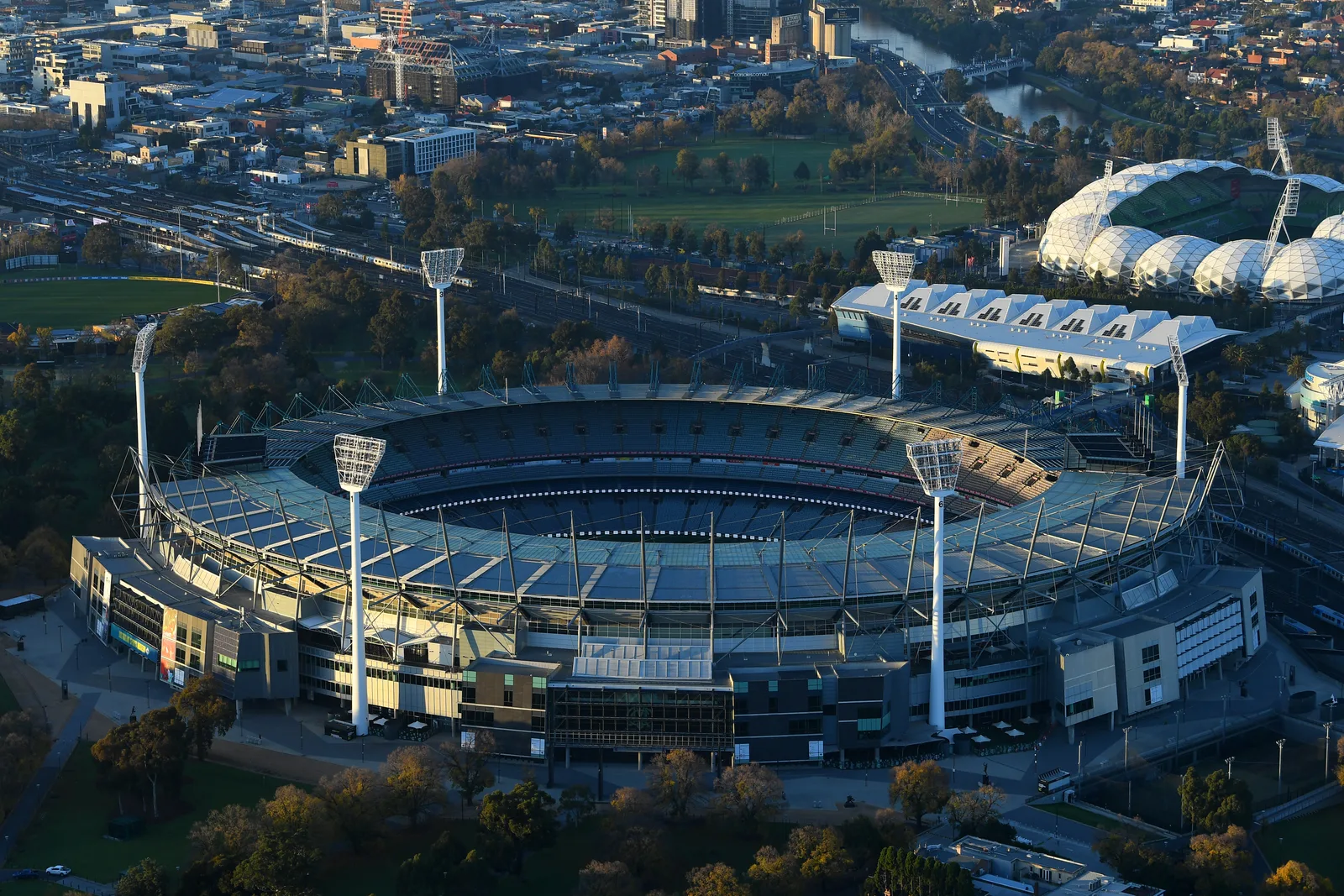
And who could forget the sporting fixtures that draw the crowds every year including the famous Melbourne Cup horse racing carnival, the Formula 1 Grand Prix, the Australian Open tennis and AFL and cricket matches played at the hallowed grounds of the Melbourne Cricket Ground.
With a well-connected transport network and a city centre built on an easily navigated grid system, Melbourne’s landscape is sustainable and modern, with efficient urban planning and safe streets, plenty of green spaces and a lively laneways culture, adorned with colourful street art and unique cafes.
It’s a city of cultural diversity with more than 40 per cent of the population born overseas and 39 per cent speaking a language other than English at home.
And with that cultural diversity comes the culinary delights of cuisines from across the world.
Students from all points of the globe are also attracted to Melbourne’s liveability.
“The Global Liveability Index result reinforces Melbourne’s reputation as one of the world’s best places to study, live and work,” government body Study Melbourne said.
“The city is home to globally recognised universities, a thriving international student community and a lifestyle that combines academic excellence with rich cultural experiences.
“These strengths help make Melbourne and Victoria a destination of choice for students from around the world.
“Melbourne’s arts and cultural scene, major events calendar, diverse communities, cafés, sporting events and welcoming environment continue to set Melbourne apart on the world stage.”
Study Melbourne said the EIU Index result also highlights Melbourne’s continued competitiveness among the world’s leading cities.
“While the rankings note opportunities to strengthen infrastructure and maintain stability over time, Melbourne’s strong performance across all categories demonstrates why it remains a top destination for study, career opportunities and quality of life.”
With its blue sky lifestyle, world-class amenities and a strong economy, Sydney is a close-fourth on the Index – but the city isn’t about to rest on its laurels.
“The latest ranking tells us Sydney is already one of the world’s great cities,” Nicolaou said. “But number four shouldn’t be the destination. It should be the motivation.
“Sydney has everything it needs to be number one. Our job now is to make sure the city we build for the next generation is even better than the city we inherited.”
Nicolaou said harbourside Sydney has amenity, opportunity, connectivity, diversity and lifestyle and is a safe, multicultural and internationally connected city.
“We have outstanding education and healthcare, a strong economy, a beautiful natural environment and an increasingly sophisticated public transport network.
“But liveability isn’t just about infrastructure. It is about whether people have opportunities to work, learn, raise a family, enjoy themselves and participate in their community. Sydney performs strongly across all of those measures.”
Annual events include the Royal Easter Show, Vivid Sydney, Sydney Fringe Festival, Sculpture By The Sea, New Year’s Eve on the harbour and the Sydney Gay and Lesbian Mardi Gras.
And sporting fixtures including the world’s largest fun run City2Surf, Sydney Marathon, Rolex Sydney to Hobart yacht race, the New Year’s cricket Test at the SC and the Everest horse racing carnival draw local and international crowds.
“Our cultural and sporting events drive the visitor economy, fill hotels and restaurants, support retail and create employment,” Nicolaou said.
“This is why Business Sydney strongly supports a 365-day events strategy. We should be competing globally for the best events, not simply waiting for them to come to us.”
With Sydney’s economy becoming increasingly diversified, Nicolaou said the city should be striving to achieve a combination of “financial capital, technology capital, innovation capital and lifestyle capital” to ensure future prosperity.
“We remain Australia’s leading financial, hospitality, tourism and professional services city but we are also seeing significant growth in technology, artificial intelligence, cybersecurity, fintech, health and life sciences, advanced manufacturing, defence, aerospace, renewable energy and the creative industries,” he said.
“Western Sydney is a particularly exciting example. The Aerotropolis and Bradfield are positioning the region around advanced manufacturing, aerospace, aviation, defence, semiconductors and research.”
Australia’s most populous city with an annual growth rate of 1.4 per cent or 75,200 people, Sydney received perfect scores on the EIU Index for education and healthcare.
“Sydney has some of Australia’s best universities, hospitals, medical research institutions and schools,” Nicolaou said.
“The challenge now is to ensure that excellence is accessible to a growing population.
“That means continuing to invest in hospitals and healthcare infrastructure, expanding university and research capacity, supporting international students and connecting education more closely with the jobs of the future.
“We should also be much more ambitious about commercialising research. Sydney has the talent and institutions to become one of the world’s leading health, medical research and technology innovation ecosystems.
“The goal shouldn’t simply be to maintain a perfect score; it should be to turn that reputation into investment, jobs and global talent attraction.”
With world-famous attractions like the Sydney Opera House and the Royal Botanic Gardens, and with the Royal National Park and the Blue Mountains on its doorstep, Sydney delivers on natural and built beauty.
“Sydney has something very few global cities can genuinely offer: world-class amenity combined with an extraordinary natural environment,” Nicolaou said.
“We have one of the world’s great harbours, beaches, national parks and outdoor lifestyle, alongside a sophisticated economy, excellent universities, healthcare, restaurants, arts, culture and sport.
“But what really makes Sydney attractive is that you can have a global career without sacrificing quality of life. You can be in the CBD during the day, at the beach in the afternoon and enjoying a world-class restaurant, theatre or sporting event at night.
“That combination is incredibly difficult for other global cities to replicate.”
The quiet achiever of Australia’s most liveable cities, Adelaide has been a steady riser in the ranks over the past five years, jumping 22 places from 2021 to number eight on the 2026 Global Liveability Index.
“The City of Adelaide is attracting a growing mix of students, young professionals, skilled migrants and people seeking the convenience and lifestyle of inner-city living,” Lomax-Smith said.
“They are all looking for opportunities without sacrificing lifestyle, somewhere they can enjoy city life but be in the country in just under 30 minutes.”
Lomax-Smith said her city is the perfect example of bigger isn’t always better.
“One of the joys of Adelaide is its size,” she said.
“I know that's counterintuitive; people always want cities to be bigger, but there's something really compelling about a town where you can actually meet people and get in touch with the people you need.
“It's a joy to live in a place that's easy to get around, safe and has fabulous food and wine.”
With stunning beaches, world-class wineries and nature on its doorstep, Adelaide city’s population has surpassed 300,000.
“Our population is growing faster than Greater Adelaide. Around 47 per cent of city residents are aged 18-34, while 26 per cent study at university or TAFE,” Lomax-Smith said.
“The priority is to turn that growth into long-term residency by providing more diverse housing, greener and safer neighbourhoods and strong connections to education and employment opportunities.”
Known as Australia’s premier festival city, Adelaide is home to massive cultural, sporting and arts events year-round, including WOMADelaide, Santos Tour Down Under cycling race and the V8 supercar Adelaide 500 event, held on a street circuit through the city’s parklands.
“There's nothing that cheers the soul more than Adelaide's enviable events calendar,” Lomax-Smith added.
“We have a smorgasbord of events all year, from the Fringe Festival to the Equestrian Festival, and that really means there is something for everybody, no matter if you live here or you're just passing through.”
The city centre buzzes with the historic Adelaide Central Market, the shopping precinct of Rundle Mall, the cultural strip of North Terrace with the Art Gallery of South Australia, the South Australian Museum and the grand State Library of South Australia.
“We have beautiful park lands, a Mediterranean climate, internationally recognised food and wine and, most importantly, a welcoming community,” Lomax-Smith said.
“Liveable cities also embrace their pasts and one of our unique selling points is the survival of our relatively low-scale, predominantly Victorian buildings. They offer a human scale and sense of place for residents and visitors.”
Lomax-Smith said Adelaide is undergoing a growth spurt which will add to the appeal of people wanting to live in the city.
“Adelaide is undergoing significant residential growth and the Council has given a lot of thought to how we manage that growth to ensure our city remains full of amenity and opportunity,” she said.
“More than 4000 apartments are currently in the pipeline, either having development approval or being constructed, within the CBD and North Adelaide.”
Building on the city’s established strengths in healthcare, research and professional services, the city is busy attracting new businesses across AI and data, software, cybersecurity, space and defence, fintech, biotech and digital health.
“They are bringing highly-skilled jobs into the city, strengthening precincts such as Lot Fourteen and BioMed City, and creating wider demand for offices, infrastructure, hospitality and other city services,” Lomax-Smith said.
“Adelaide’s perfect scores on the EUI Index for education and healthcare reflect the strength of our universities, hospitals and research institutions.
“We want to build on that reputation by strengthening collaboration between education, health, research and industry, particularly through Adelaide BioMed City and Lot Fourteen.
“The focus is on retaining more graduates, attracting skilled workers, supporting health and education innovation and ensuring the city remains safe, green, accessible and affordable for students, workers and residents.”