

FIVE interest rate rises in a year were not a knee-jerk response to soaring oil prices despite fuel hikes playing a leading role in surging inflation, according to the Reserve Bank governor says.
As the RBA shed more light on why it chose to increase the official cash rate in November to an 18-year high of 4.85 per cent, Michele Bullock said there were several factors behind the increases.
§ Inflation pressures predated the Middle East conflict
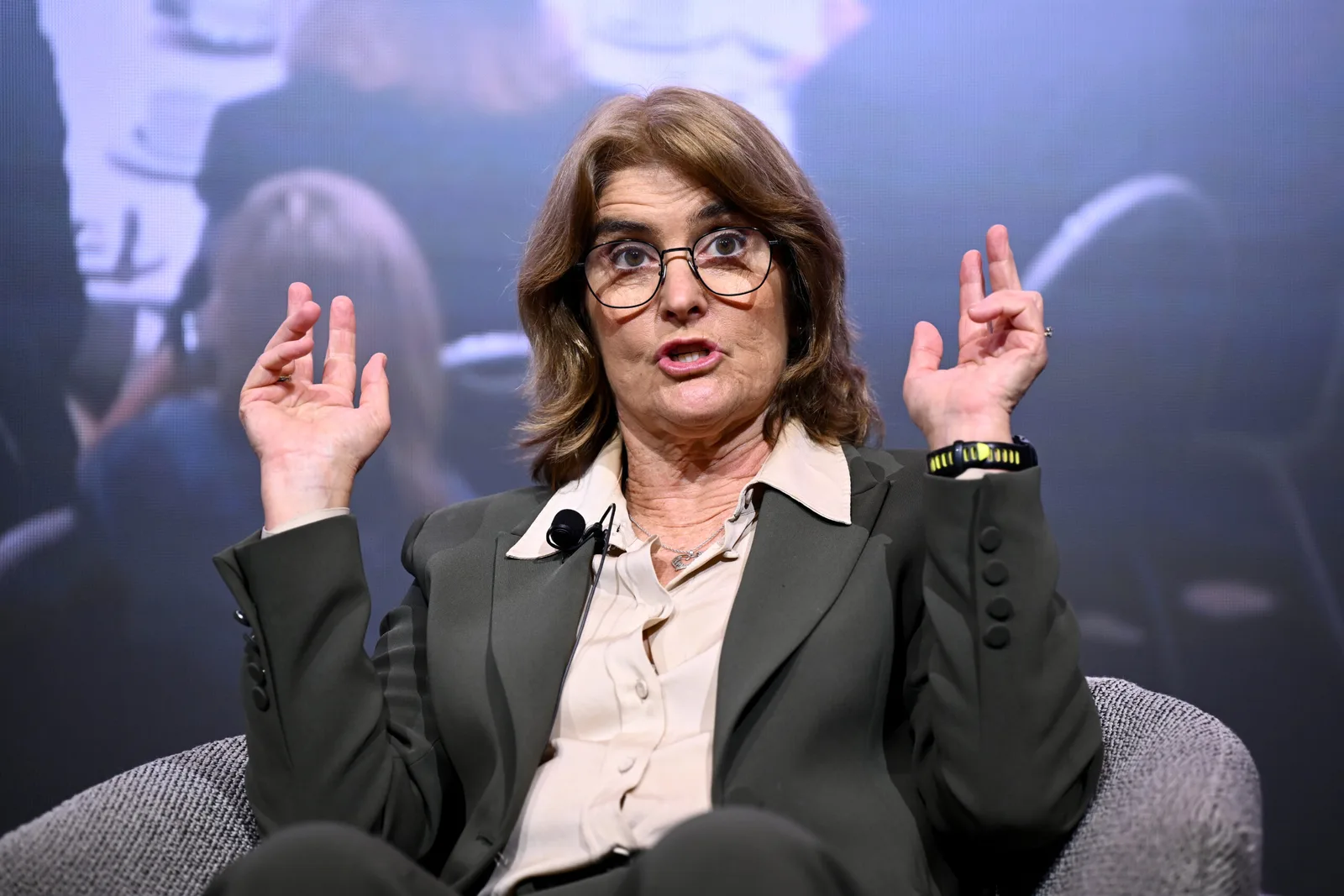
Speaking at the ASIC Forum in Sydney on Tuesday, Bullock said inflation was already creating headaches for the economy long before the US war with Iran, which has disrupted a major oil shipping route.
"We already had inflation above target in the latter half of last year and early this year and we'd already started raising interest rates before the Middle East conflict started," she told the forum.
"(Oil price rises have) made it worse, they've made it more challenging. We can't offset the oil price rises.
"It's quite true that interest rates do not address that issue, but what we can do with interest rates is we can decrease demand and ease the pressure which is coming from excess demand on the economy."
The central bank's target band for inflation is between two per cent and three per cent and headline inflation currently sits at 4.3 per cent.
§ The case for keeping rates on hold
Minutes from the central bank's most recent meeting revealed why some of its members opted to keep rates on hold.
The bank's nine-member board voted six to three to raise interest rates but the minority who called for an unchanged cash rate said it was too soon to subject mortgage holders to another hike.
"The case to leave the cash rate target unchanged at this meeting was founded on a view that, while further tightening in monetary policy might still be required, there was no need to make that judgement immediately," the minutes said.
"The 100 basis points of tightening already delivered this year ... was still working its way through the economy.
"The full effects of that tightening on the economy were not yet apparent in the data and that it was uncertain how large an impact it would have."
§ Higher inflation risks drove the majority vote
However, the majority of board members who opted for a rise thought the risks from higher-than-expected inflation was too big to ignore.
"The significantly higher forecast path for inflation would also add to the price level and further erode the welfare of Australians, especially those on lower incomes who do not receive inflation-linked government welfare support," the minutes said.
"Recent information on inflation - both the September quarter data and the staff's latest central projection - signalled a more inflationary environment than previously assessed."
§ Housing lending slows ahead of December meeting
The bank's board will gather for its final meeting of the year in early December, with some economists tipping the cycle of rate increases might have reached its end.
Minutes from the November meeting noted household borrowing trends suggested financial conditions remained restrictive.
"Housing prices and lending for new housing had declined quite sharply and household credit growth had continued to slow," it said.
"The decline in lending for new housing had been pronounced for investors, in part reflecting recent tax changes."
Frequently asked questions
Can interest rates offset oil price rises?
Why did some board members favour leaving rates unchanged?
What did the latest inflation information show?
How has new housing lending changed for investors?
In this story