

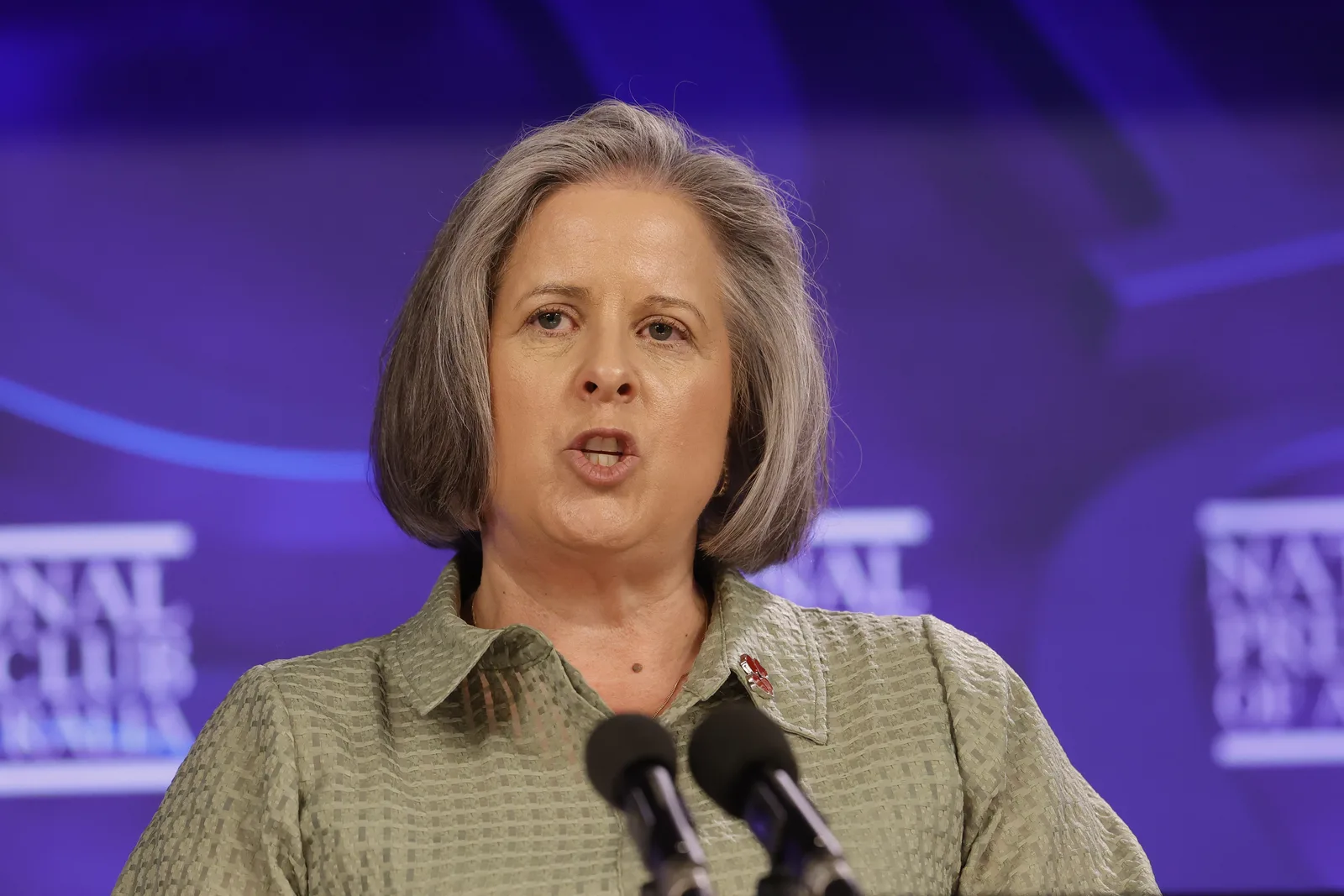
YOUNG Australians are missing out on "pretty bloody good" coin because schools treat tradies as second-class citizens, according to the head of the builder’s lobby.
Along with a lack of women in the industry, apprentice numbers were still too low to make up for the nation's construction skills shortage, Master Builders Australia chief executive Denita Wawn said.
That's despite tradies often earning significantly more than university graduates, she said.
"We say it is an opportunity for people, particularly when it comes to looking at the future of what this country is going to look like in the advent of AI.”
§ Construction worker shortfall threatens housing and infrastructure
Master Builders estimated Australia has a shortfall of 141,000 construction workers. It could reach 935,600 workers by 2035, according to its Future Workforce Blueprint report.
Along with high interest rates and rising material costs, a lack of workers is making it increasingly difficult for the industry to provide housing and infrastructure the nation needs, Ms Wawn said.
§ Trade apprenticeships offer paid training and strong earnings
She knows the benefits of choosing a trade firsthand.
Her son is completing an apprenticeship, despite the school system putting university degrees like law and medicine on a pedestal, she said.
"I say to every teacher in this country, stop treating kids who want to go into a trade as though they are second-class citizens in your school community," Ms Wawn told the National Press Club on Wednesday.
"Because you know what, all of those apprentices who are starting next week, I know their salaries are going to be pretty bloody good by the time they've got a trade.
"And they're getting paid to train; they're not spending hundreds of thousands of dollars for a university degree that might be taken over by AI anytime soon."
By contrast, someone in construction could have a qualification by the time they're 20, be earning over $100,000 a year, and soon be owning their own business, Ms Wawn said.
"We say it is an opportunity for people, particularly when it comes to looking at the future of what this country is going to look like in the advent of AI," she said.
§ Workplace flexibility needed to get more women into construction
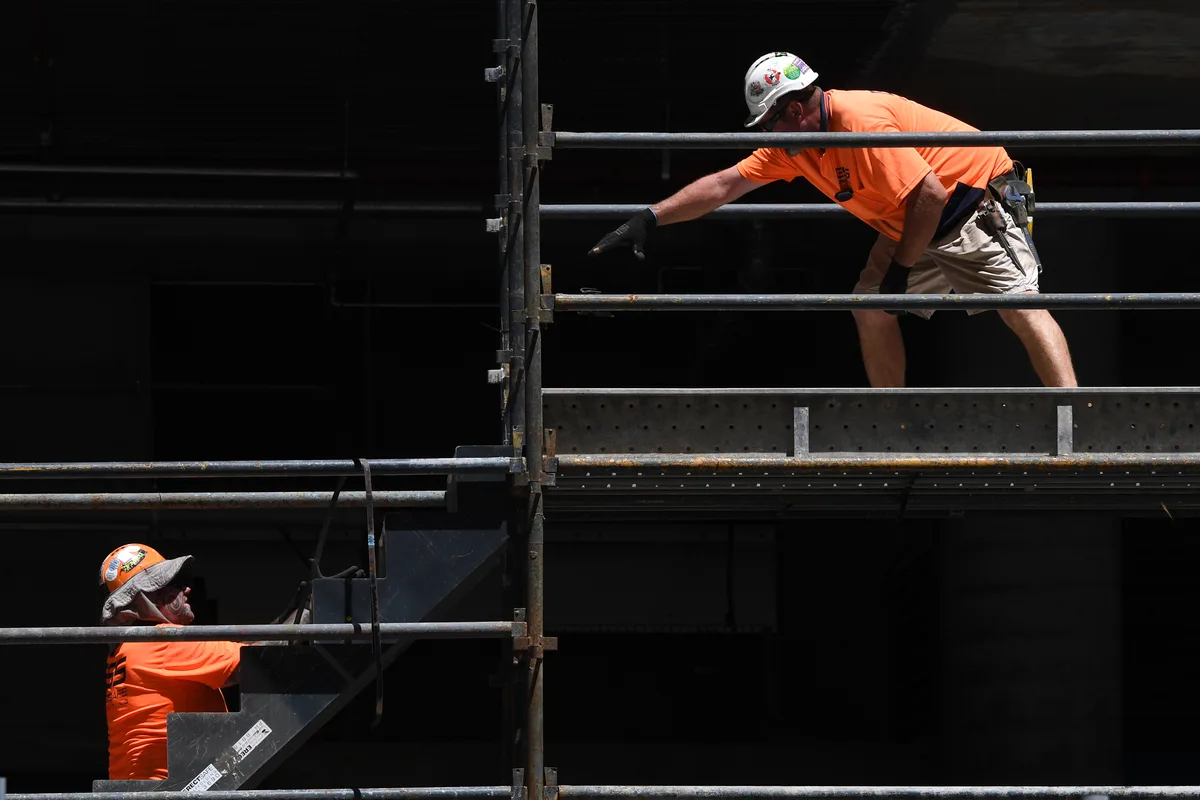
Cultural and workplace barriers were also starving the industry of a significant cohort of workers.
"We still do not employ enough of half of the working population, otherwise known as women," Ms Wawn said.
Female participation in construction remained dismal because of a lack of part-time work provisions in the sector's industrial relations laws, as well as the "thuggery" of building union the CFMEU, she said.
Uniquely for the head of an employer representative group, Ms Wawn called for more flexible arrangements to be added to industrial instruments to reflect the needs of modern women in the workplace.
"Let's actually sit down at the table with the (CFMEU) administrator and look at our industrial instruments, whether it's our awards or our EBAs, and let's give this a red-hot go," she said.
Frequently asked questions
How large could the construction worker shortage become?
What does Wawn say is limiting women's participation in construction?
What did Wawn ask teachers to change about their approach to trades?
In this story