

INFLATION is expected to surge in the latest official data, thanks to higher fuel costs and the government's ban on card surcharges.
Economists at NAB predict headline inflation to rise from 4.3 per cent annually to 4.7 per cent, when the Australian Bureau of Statistics releases October consumer price figures on Wednesday.
If correct, that would be the worst outcome since 2023.
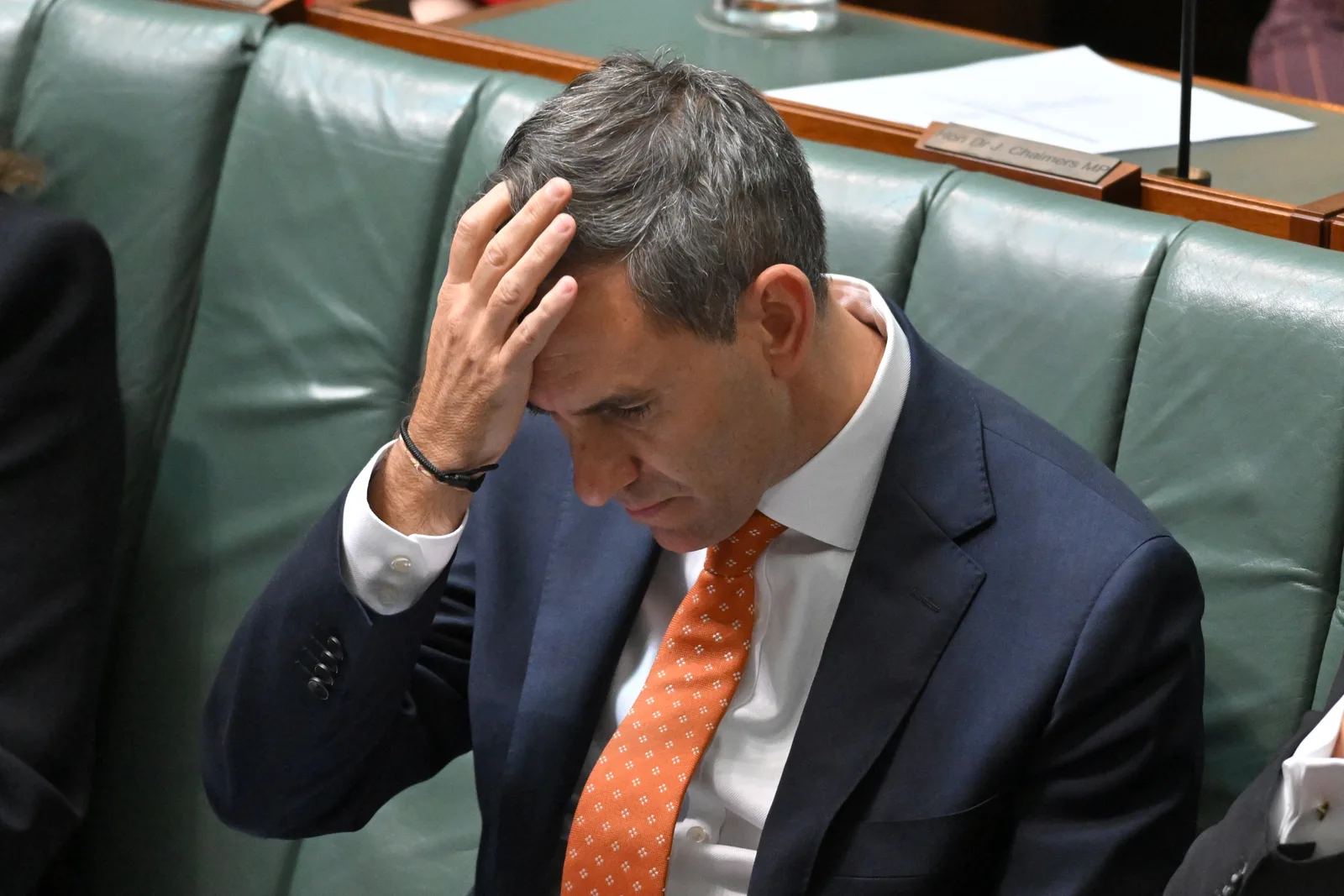
It would also be a grim result for Treasurer Jim Chalmers, who has been besieged by the opposition during the last sitting week of the year over the government's contribution to inflation and the Reserve Bank's five rate hikes in 2026.
"Inflation will be higher than we'd like in the numbers tomorrow. Productivity's been too low for too long. The global environment is dangerous and uncertain."
But NAB senior economist Taylor Nugent sees some light on the horizon.
"An outcome in line with our forecast would be no comfort to the RBA, but we expect October to mark the peak for headline inflation and to overstate the underlying momentum in trimmed mean," he said.
The main factors pushing up inflation in the month are unlikely to last.
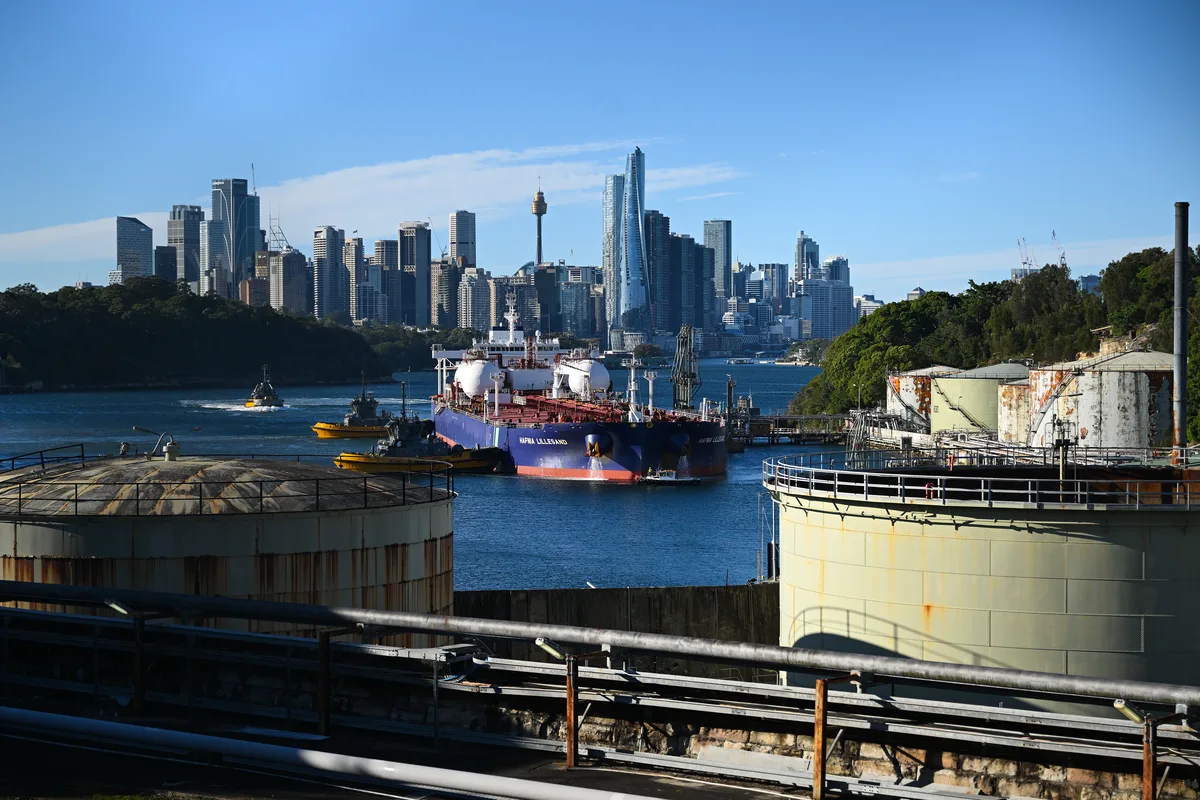
Oil prices spiked in October, leaving fuel up around one-third year-on-year and contributing 1.2 percentage points to year-ended inflation, Mr Nugent said.
But a fallback in oil prices since Donald Trump's devastating electoral defeat in early November should cause fuel to ease in later months.
Dr Chalmers pointed to oil prices nearing $US120 a barrel in October on Tuesday, as he prepared the ground for an ugly inflation read.
"These are the facts, Mr Speaker, and they are why economists are expecting a high inflation number tomorrow," he said during Question Time.
"Inflation will be higher than we'd like in the numbers tomorrow. Productivity's been too low for too long. The global environment is dangerous and uncertain."
Dr Chalmers said inflation would be a major focus of the mid-year budget update in December, promising more savings than new spending.
Meanwhile, the government's ban on card surcharges, which kicked in on October 1, is expected to contribute a one-off boost to inflation.
While only 16 per cent of firms charged surcharges prior to the rule change, it looks to have driven a broader repricing by businesses across hospitality and other market services categories, Mr Nugent said.
In this story