
Younger generation struggling with ‘inequality’
Anglicare boss highlights 'system that says a young person needs less money to live on simply because of their age'.
MORE young people are abandoning hopes of home ownership amid increasing generational inequality.
Anglicare’s Falling Behind report found home ownership among 25-34 year olds has fallen to an 80-year low, highlighting intergenerational inequality from tax settings that favoured housing investment.
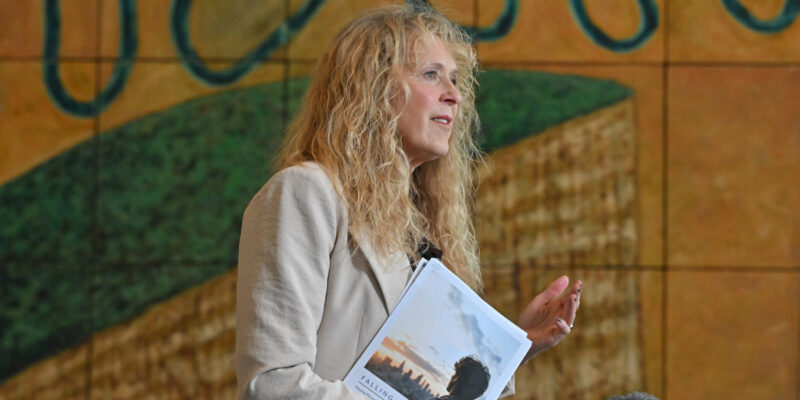
Young Australians are facing a future where working hard doesn’t guarantee security, Anglicare Australia executive director Kasy Chambers said.
“The economic foundations underneath them have shifted,” she said.
Chambers has welcomed the federal government’s efforts to remove tax breaks for investment income and called for a shake-up to the Youth Allowance payment.
“We have a social security system that literally says a young person needs less money to live on simply because of their age,” she said.
Chambers added more measures were needed from the federal government to even the playing field.
“We need to look at taxing wealth the same way as income because, otherwise, what we’re seeing is that the wealth gets concentrated,” she told reporters in Canberra.
“Once it gets concentrated, it’s very difficult to share that again … $1 is $1 in taxation terms.”
The maximum payment amount for a single person with no children on Youth Allowance is $677.20 a fortnight.
The rate is below the poverty line, JobSeeker and the aged pension, which Chambers said is contributing to generational inequality.
“Rent isn’t cheaper when you’re 23. Groceries aren’t cheaper. Electricity isn’t cheaper.
“Yet young people are expected to survive on the lowest payment in the system. Poverty should not be a rite of passage.”
Chambers said there was a perfect storm that led to inequality between the generations.
“What we can see is that we’ve got young people coming into a workforce that is more insecure, we can see that we’ve got increased costs,” she said.
“People are studying longer. We know that it takes much longer to save a deposit for a house in terms of the annual average income versus the deposit.”