Eliminate and minimise risk is the name of the game
AICNSW boss is on a mission to improve the standing of conveyancers across all levels of the property industry

Newest first
AICNSW boss is on a mission to improve the standing of conveyancers across all levels of the property industry
Unique information packs to greatly assist businesses ahead of sweeping anti-money laundering rules
Building relationships with different people will put you ahead of the game, says Sydney property lawyer.
We reflect on the impact of the past 12 months on the economy, housing, innovation and legislation, before taking a look at 2026
In a parliamentary inquiry into law enforcement, Australian real estate boss says agents need to be on top of obligations and the rules of engagement.
A source of anxiety for conveyancers as AML/CTF changes loom has been not knowing where to start. AUSTRAC pledges to provide the answers in January. It’s late, but with deeper detail, they say.
AUSTRAC CEO Brendan Thomas says it is unlikely most conveyancers will be required to pay a levy on the back of AML/CTF law reforms.
Significant changes are coming for Australia’s anti-money laundering and counter-terrorism financing legislation, with conveyancers soon to be among the entities responsible for reporting.
In explaining what’s ahead in the introduction of anti-money laundering and counter terrorism financing reform, AUSTRAC CEO Brendan Thomas says, if something looks suspicious, then raise it.
Conveyancers fearful of revenge should they report suspicious clients under the upcoming AML/CTF law reforms have been given clarity over the extent of their involvement and that their privacy would be protected.
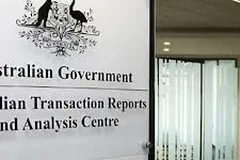
Anti-Money Laundering and Counter Terrorism Financing law reforms enforced in July 2026 bring serious obligations to conveyancers and other property professionals. But the man overseeing the change doesn’t expect perfection from the get-go.
As we face up to the reality of the upcoming anti-money laundering and counter-terrorism financing regime, it’s worth seeing how our contemporaries across the Tasman – who have been operating under similar rules for the past seven years – have coped with the changes