
Home-life balance: Now it’s property over lifestyle
As home sales tighten under the weight of mortgage rate increases and cost-of-living pressures, most Aussies are opting for bricks and mortar over the little pleasures in life.
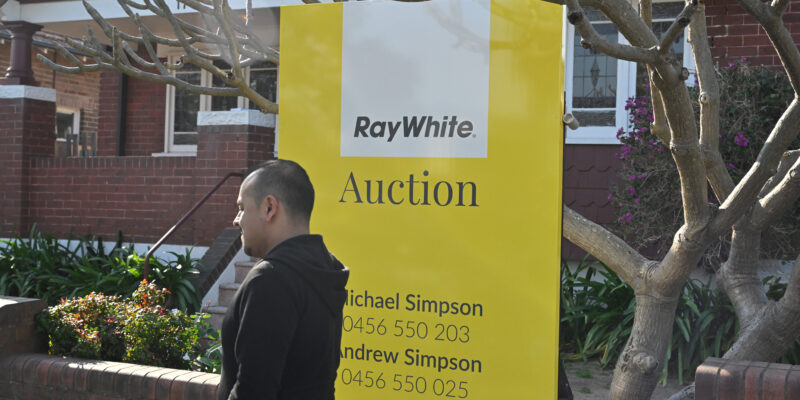
SEVENTY-FIVE per cent of Australians are willing to cut lifestyle spending to afford a home, according to new research from property analyst Cotality.
Its latest Consumer Sentiment Report reveals a significant shift in purchasing behaviour across Australia, New Zealand, the US, Canada and the UK, driven primarily by affordability concerns.
Among Australian buyers, the findings reflect a particular affordability gap that has been widening for years.
They are among the most willing of any market surveyed to cut lifestyle spending. Three-quarters have already done so, or plan to.
Buyers are also restructuring how they buy, with 57 per cent of Australian respondents open to purchasing a smaller home to improve affordability (compared with 59% globally).
Nearly two-thirds (63 per cent) would take out a smaller mortgage (65% globally), and 58 per cent would pursue a no-cost or smaller refinance to reduce their debt (57% globally).
New Zealand buyers show a similar willingness to adapt, leading all markets on willingness to take a smaller mortgage (68 per cent) and closely matching Australia on lifestyle cuts (78 per cent).
Together, the two markets stand apart from the rest of the survey in just how much buyers are prepared to compromise to get a deal done.
“Australian and New Zealand buyers are making some of the biggest compromises of any market surveyed,” said Lisa Jennings, Cotality’s Chief Commercial Officer.
“They’re cutting spending, buying smaller, and restructuring their mortgages just to get into the market.
“Affordability pressures are having a fundamental impact on what buyers are willing to compromise on to get into their own home.
“The dream of homeownership hasn’t dimmed, but getting there now requires more compromise and careful financial planning than it has in previous cycles.
“As Australians continue to navigate a challenging affordability environment, the next phase of demand may depend less on when rates fall, but more on how well buyers have adapted to the conditions we’re seeing today.”