
NSW on right track as it attempts to climb housing Everest
Premier believes much is still needed to be done to unlock more homes but progress is being made.
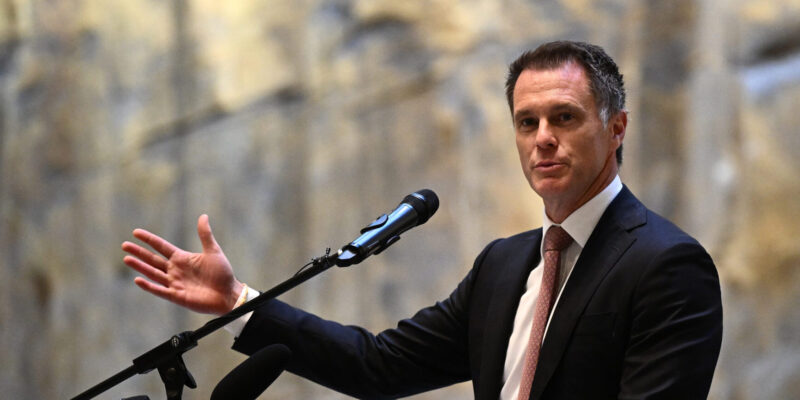
The culture of NIMBYism – Not in My Back Yard – is slowly but surely changing in NSW, according to Premier Chris Minns.
Addressing the NSW Property Council’s State of the State luncheon on Tuesday, Minns said more people are coming around to Yes In My Back Yard.
A sea change driven by the realisation that, in NSW, homes are too few and too expensive, with young people being forced interstate.
“We genuinely believe we’ve still got Everest to climb,” Minns said, “but we like to think we’re at Base Camp.”
NSW has an annual housing target of 75,000 new dwellings. This year’s forecast is only 36,000.
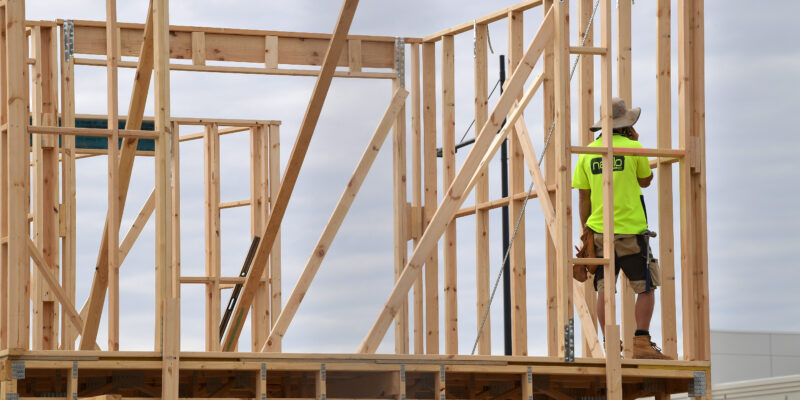
Minns said the pace of construction is picking up but the overhaul of planning and approval faces deep rooted, decades-old challenges.
One is a tendency of existing residents and all levels of governments to say “no” to new development.
“The practical consequence of that culture is we’re locking up huge parts of our city to new housing,” he said.
A second tendency was to regard developers as inherently suspect, leading governments to “mummify” new projects in red tape.
“We’ve seen a situation where the sector is demonised by politicians and policy, at every available opportunity,” he said. “It’s absolutely ridiculous.”
Minns trumpeted Labor reforms like the Housing Delivery Authority which allows high-yield projects to be fast-tracked, even bypassing local councils.
“If you put your shoulder into an argument, and you receive bipartisan support, and strong, clear industry articulation … you can shift public sentiment.”
He said polls now suggest a clear majority support for higher density housing, even in their own neighbourhoods.
People are realising that “the stresses and strains on families to purchase that first home for the next generation are just too extreme”.
He said his government had made a “very deliberate decision” to encourage new homes around existing infrastructure. That is, in existing suburbs.
Greenfield development on the city’s outskirts requires enormously costly infrastructure: new roads and rail, new schools, new hospitals.
Not just that, he added, but there’s the impact on families with longer commutes, higher fuel and toll costs and more time away from home.
New houses on the outskirts would still be available for those who want and can afford them, but city apartments seem more feasible.
And that, the Premier said, meant not preserving parts of Sydney as if they were “in a museum”.
The NSW Government faces a State election on March 13 next year.