

MOST of Australia's retail banks are not financing coal, oil and gas companies but 10 have been cited for providing $88 billion in funding for them in 2025.
Market Forces said the bulk of that financing - $77.6 billion - came from international banks providing retail services in Australia, such as the Bank of China, which provided $29 billion.
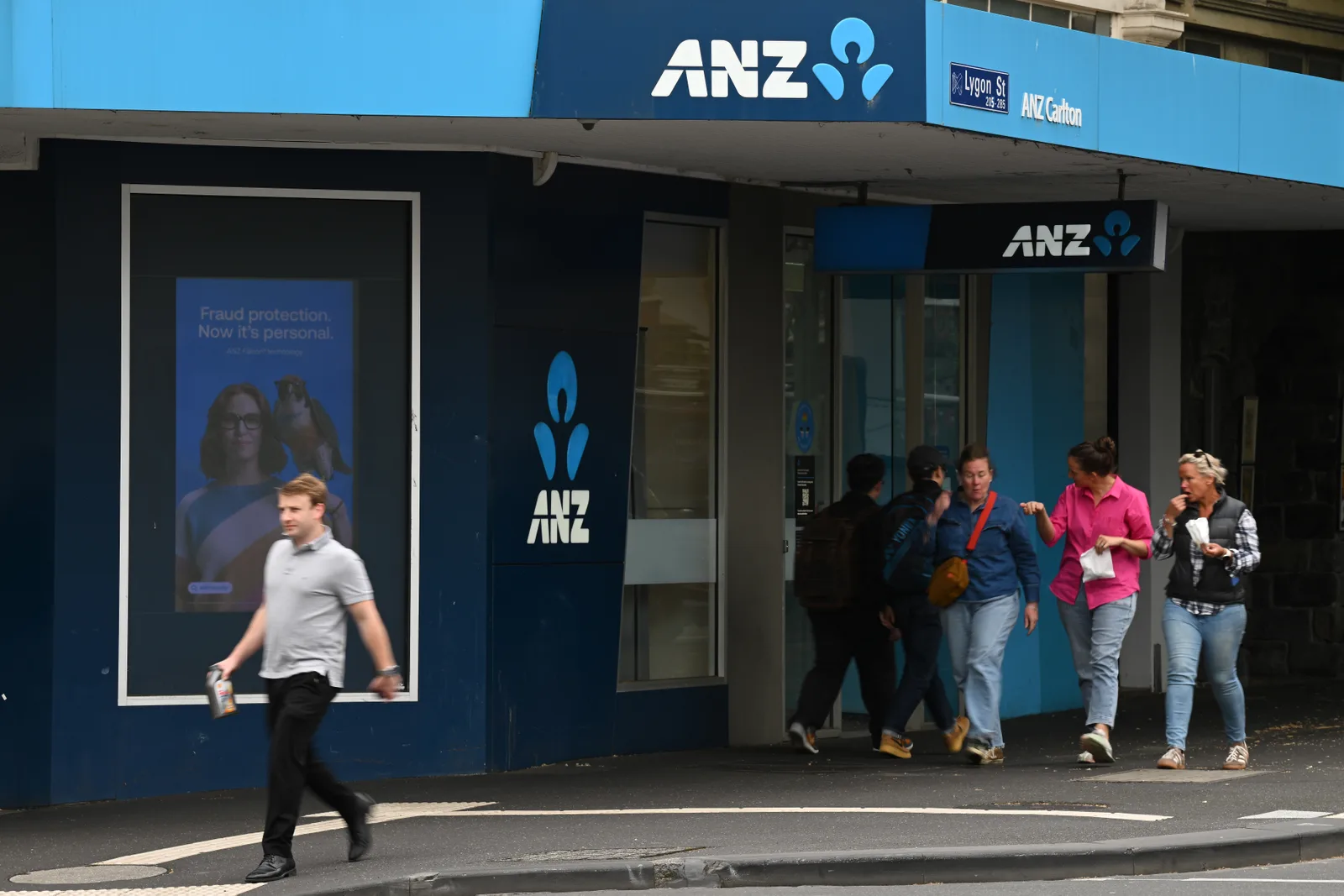
Of the domestic banks, the environmental group said ANZ had provided the most, providing $3.5 billion of financing for coal, oil and gas in 2025.
"ANZ remains Australia's biggest financier of fossil fuels, continuing to support companies pursuing major new oil and gas developments despite years of climate commitments,” a report by Market Forces says.
ANZ was followed by Macquarie, which provided $2.5 billion, while Westpac came in third with $1.7 billion.
"Our vision is to finance a sustainable and orderly transition and to be a trusted partner for our customers, supporting them to adjust to a changing environment and economy and become more resilient."
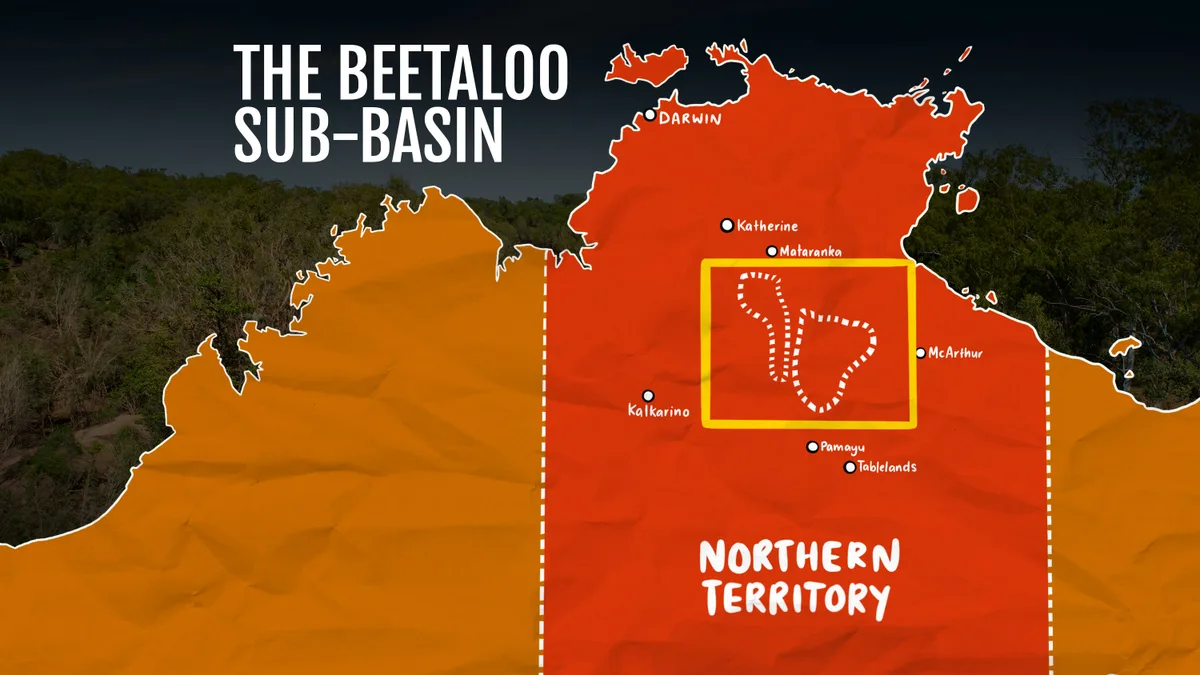
Market Forces said that all three banks were financing companies involved in fracking in the Northern Territory's Beetaloo Basin, a region that began producing its first gas in September.
Proponents say the projects there will create jobs and opportunities, but environmentalists describe it as a "climate bomb" that could put the world on a trajectory towards catastrophic levels of global warming.
"I think Beetaloo provides a really clear case study for where the laggards and leaders are in dealing with the climate crisis," Market Forces senior policy analyst Morgan Pickett told AAP.
"The Beetaloo Basin risks becoming one of the biggest gas developments in the world, in the heart of the Australian Outback."
ANZ declined to comment for attribution, but in its annual climate report the bank said it was committed to working with its customers and enabling them to transition to net zero emissions.
"Our vision is to finance a sustainable and orderly transition and to be a trusted partner for our customers, supporting them to adjust to a changing environment and economy and become more resilient," it said.
ANZ said it had specific interim targets for eight higher-emitting business sectors, including working with oil and gas companies to achieve a 32 per cent reduction in emissions by 2030.
Westpac and Macquarie didn't respond to requests for comment.
Market Forces said 74 out of the 91 retail banks in Australia provided no financing to coal, oil or gas projects.
"Millions of Australians may not realise their bank is financing fossil fuel expansion, but the good news is there are dozens that are doing the right thing for the climate," Mr Pickett said.
Frequently asked questions
How much fossil fuel financing did the leading domestic banks provide?
What links the three banks to the Beetaloo Basin?
What has ANZ said about its climate commitments?
In this story