

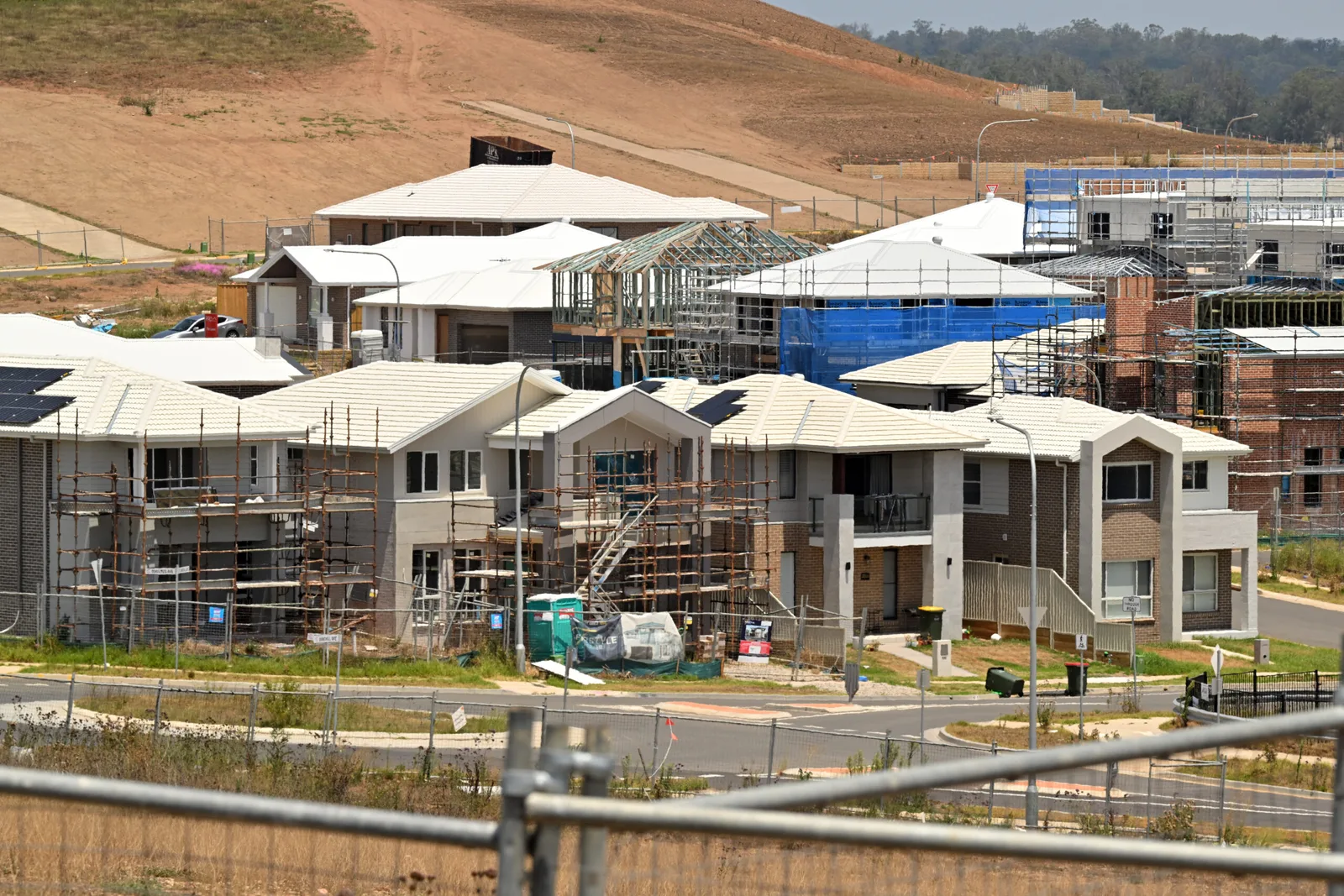
NEW Westpac research has revealed mixed attitudes towards falling house prices, with more than two in three Australians believing falling prices will be good for the country
And almost the same proportion are concerned property values could fall further.
The latest Westpac Home Ownership Report found Gen Z are the most likely to agree falling house prices will be good for Australia (78 per cent), followed by Millennials (69 per cent), Gen X (67 per cent) and Baby Boomers (58 per cent).
That view also extends to homeowners, with almost two thirds (62 per cent) agreeing falling house prices will be good for the nation.
However, concern about property values falling is highest among homeowners who hold a mortgage (75 per cent).
Carolyn McCann, Westpac chief executive, consumer, said the findings reflect the complexity of Australia’s housing debate.
"Affordability remains a significant challenge for many Australians and these findings suggest many view lower prices as part of the solution," McCann said.
"But there is another side to that equation. For many Australians, their home can be their biggest financial asset, so concern about falling values is understandable.
"It's important to remember that housing markets move through cycles and buying a home is a long-term commitment. While prices have fallen, our economists expect national property prices to rise by three per cent in 2027," she added.
The findings come amid broader concerns about access to the housing market, with four in five (82 per cent) Australians saying home ownership is completely out of reach for the average Australian.
“This is a further example of government’s market ignorance, unwillingness to genuinely engage with industry, and prioritising misguided populist politics over the consumer’s best interests.”
Among first home buyers, 65 per cent believe they’ll never be able to buy a home without an inheritance.
When it comes to improving access to housing, Australians pointed to a range of measures beyond house prices alone.
More affordable housing in established suburbs topped the list (52 per cent), followed by reducing stamp duty and other purchasing costs (48 per cent), higher incomes and wage growth (39 per cent) and better transport links to outer suburbs and regional areas (31 per cent).
“Housing affordability is about more than house prices. Australians see a range of factors influencing their ability to buy, from the type and location of housing available to the upfront costs of purchasing and their own income," McCann said.
"For aspiring buyers, understanding your financial position and the options available to you is a practical place to start your home ownership journey.
"A lender can help you understand what you may be able to afford and what you need to work towards.”
In this story