

AUSTRALIA's headline inflation rate hit a three-year high in October amid higher fuel costs and the government's ban on card surcharges.
The consumer price index rose 4.9 per cent on an annual basis, up from 4.3 per cent in the 12 months to September, the Australian Bureau of Statistics reported on Wednesday.
The result - the worst since September 2023 - exceeded market expectations of a 4.8 per cent rise.
Stubbornly high inflation keeps pressure on the Reserve Bank of Australia to refrain from reducing interest rates in the near term even as Australia's economy slows and unemployment rises.
But the jump in headline inflation was largely due to transitory factors, including surging oil prices in the month and a ban on card payment surcharges, which kicked in on October 1.
Ahead of the release, economists at NAB said October would likely mark the peak for headline inflation.
The trimmed mean, a measure of underlying inflation closely watched by the RBA, climbed from 3.6 per cent to 3.8 per cent.
The measure strips out volatile price rises such as fuel, which rose 32.5 per cent on an annual basis.
But the cost of new dwellings, a more sticky item in the inflation basket, also grew strongly at 5.1 per cent.
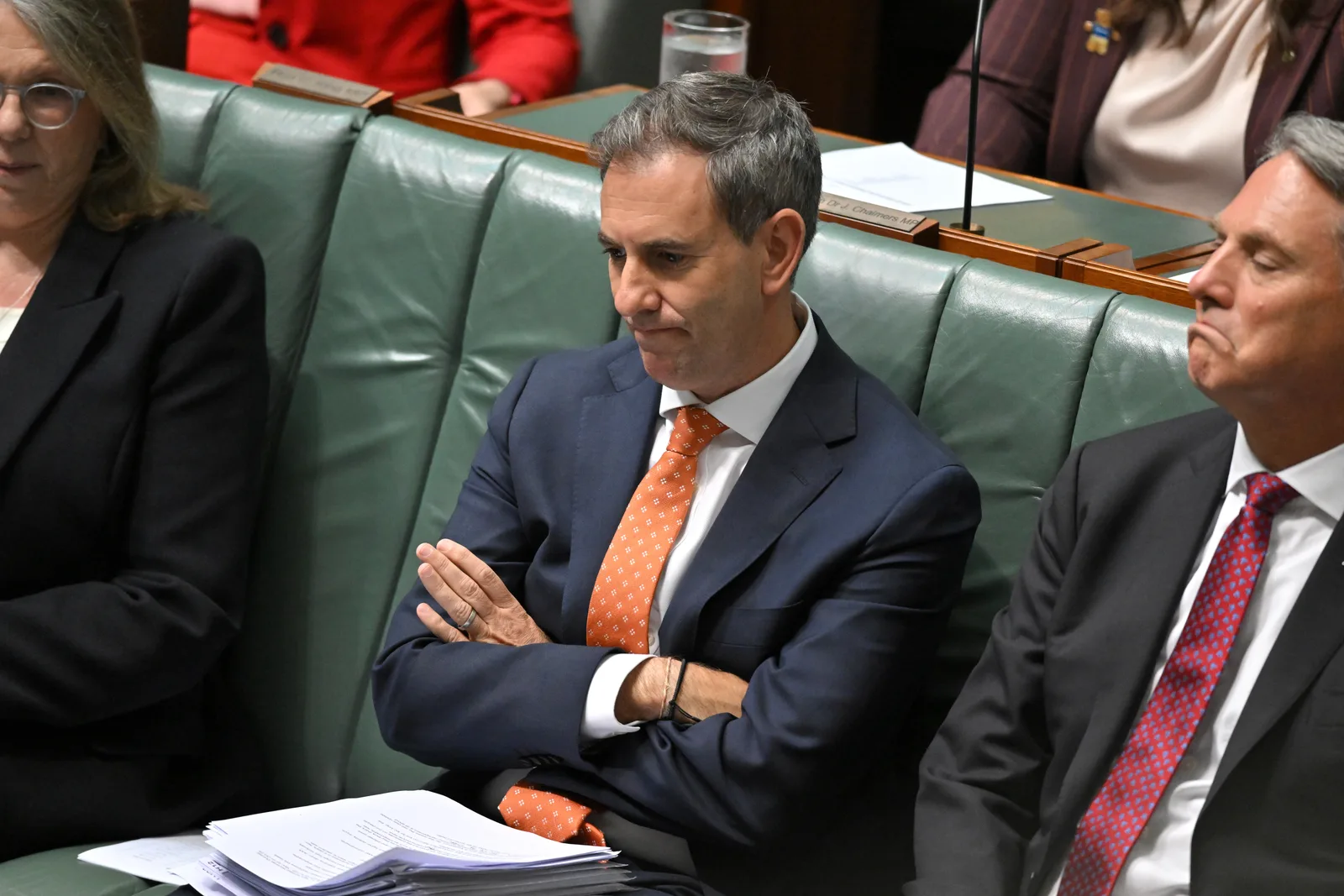
Treasurer Jim Chalmers promised substantial savings in the December mid-year budget update to help the RBA in its fight against inflation.
Cuts to the public service and electric vehicle subsidies are on the table.
"Obviously, we'll have to look at some of the programs which have been quite successful to make sure that they're sustainable," he told ABC's 7.30 program on Tuesday night.
"We'll have to look at the efficiency of the public service, and in other areas as well."
Rachael McCririck, ABS head of price statistics, said: “Housing was the largest contributor to annual inflation in October, rising by 6.4 per cent compared to a rise of 5.2 per cent in the 12 months to September.”
“The 6.4 per cent rise in annual inflation for housing reflected increases for both electricity and new dwellings expenditure classes.”
Electricity rose 25.2 per cent in the 12 months to October, up from an annual rise of 12.8 per cent to September.
“The rise in electricity reflects Commonwealth government rebates, which reduced household electricity costs last year but are no longer in place,” McCririck said.
New dwelling prices rose 5.1 per cent in the 12 months to October, up from an annual rise of 4.7 per cent to September. This was driven by builders passing on higher costs for materials and labour.
Transport was the second largest contributor to annual inflation in October, rising by 10.6 per cent due to higher automotive fuel prices.
“On a monthly basis, Automotive fuel prices rose 6.3 per cent in October, compared to a rise of 9.4 per cent in September. This was driven by higher world oil prices,” McCririck said.