

AMID all the ugly numbers in the Australian Bureau of Statistics' latest inflation print, one might worry the Reserve Bank more than the others.
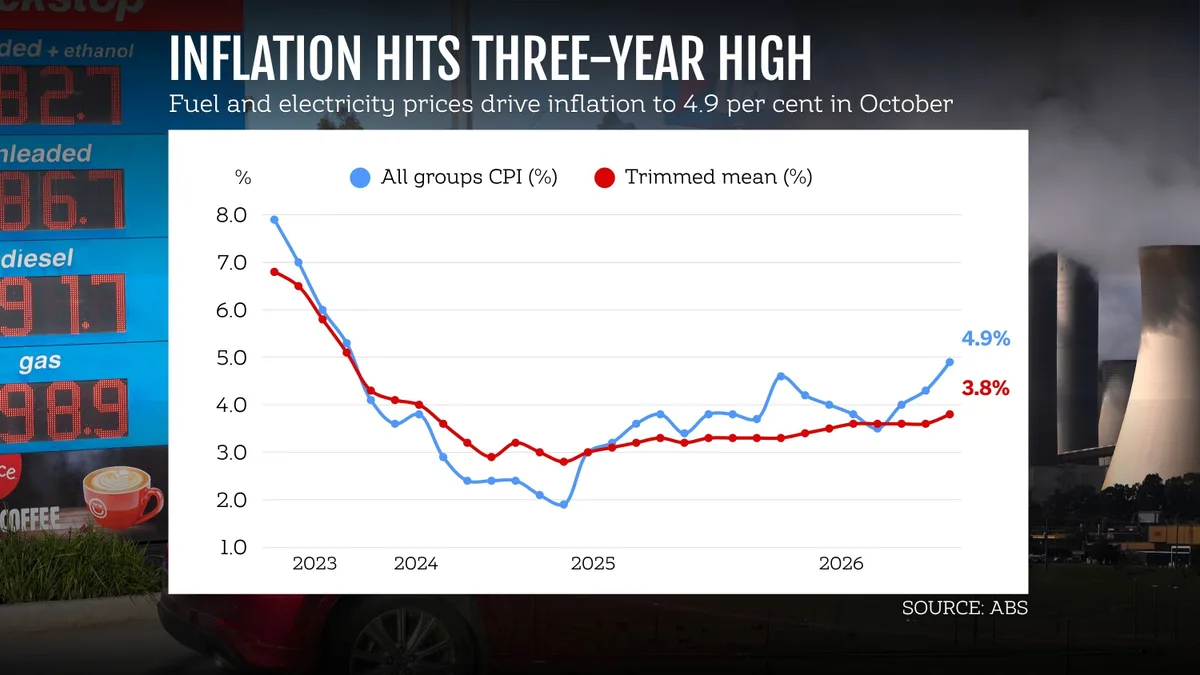
Wednesday's figures showed headline inflation hitting a three-year high of 4.9 per cent in the 12 months to October, driven by a 32.5 per cent rise in fuel, a 25.2 per cent jump in electricity and a 10.9 per cent lift in fruit prices.
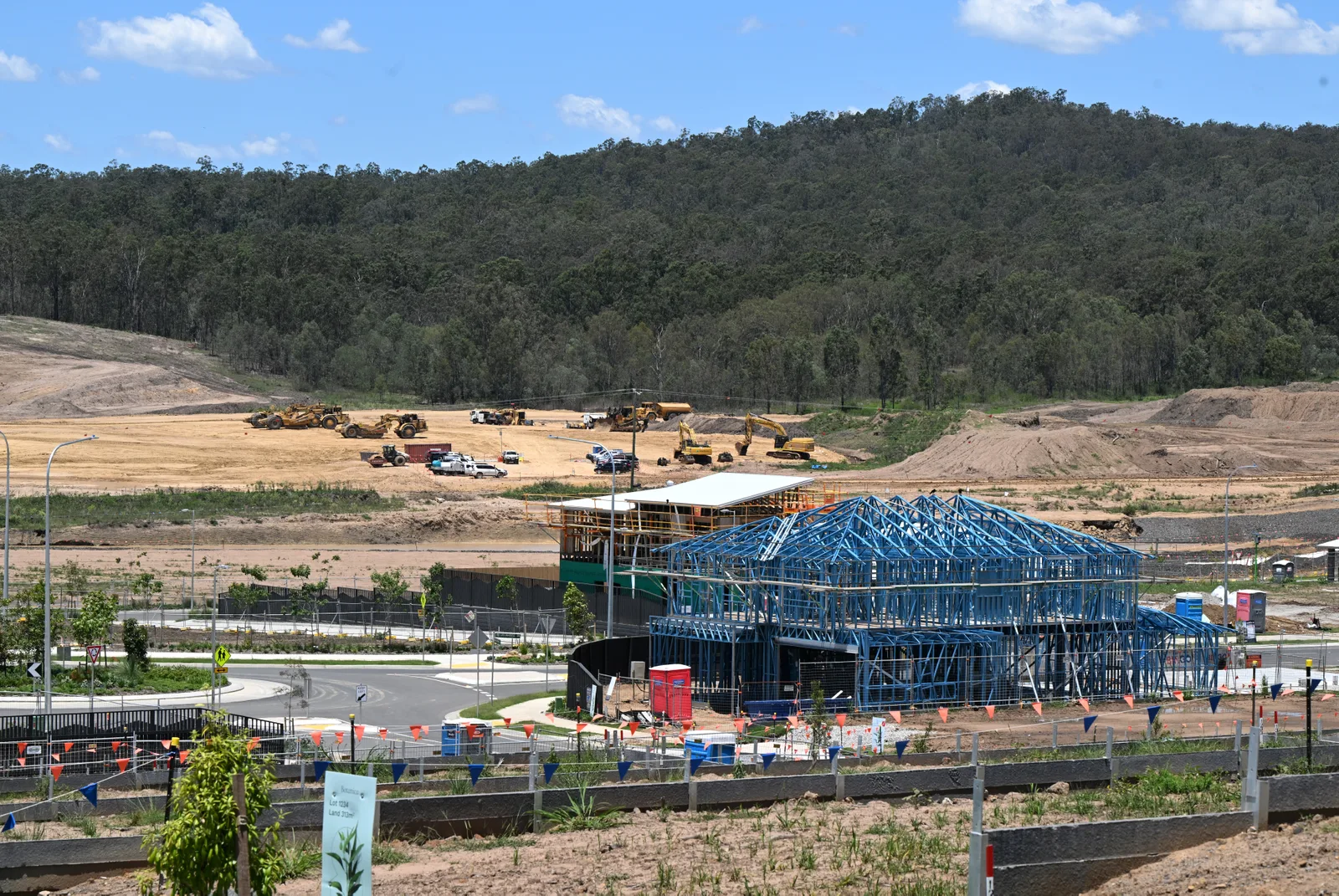
But arguably the most surprising number was a 0.8 per cent rise in new dwelling prices in the month.
Prices for newly built homes were flat in September and were expected to remain subdued as soft demand for housing forced builders to step up discounting and promotional offers.
But rising fuel prices and supply chain disruptions from the Middle East conflict were negatively affecting building costs.
"Building a new house is 53 per cent more expensive than it was before the pandemic," Master Builders Australia chief economist Shane Garrett said.
"That is not good for builders, nor home buyers."
He urged the government to refrain from making a bad situation worse and not apply tariffs on imports of aluminium building products from China.
An investigation on dumping by the Australian Trade Remedies Commission is due to deliver a final recommendation in December.
While big swings in volatile items like fuel and electricity are trimmed out of underlying inflation measures, increases in housing costs tend to be stickier and carry a large weight in the consumer price basket.
The 0.5 per cent rise in the core inflation measure in October would be more concerning for the RBA than the rise in the headline consumer price index, said Diana Mousina, deputy chief economist at AMP.
JP Morgan chief economist for Australia Ben Jarman said the jump in new dwelling costs is worth watching but still relatively modest in the context of higher fuel prices.
"The broader trend still seems to be easing in the bellwether housing group overall, reflecting weaker market conditions," he said.
"That is not good for builders, nor home buyers."
Rental growth has slowed throughout the year, despite warnings that changes to negative gearing would cause rents to spike and eased to 0.1 per cent in the month.
Ms Mousina said there was more good news ahead.
"We think we are at 'inflation-peak' now," she said.
Fuel prices have already fallen about 20 per cent since October and agricultural prices were easing as well, Ms Mousina said.
While it might not be good news for workers, the RBA will be encouraged by the cooling labour market, which should see wages growth moderate in coming months.
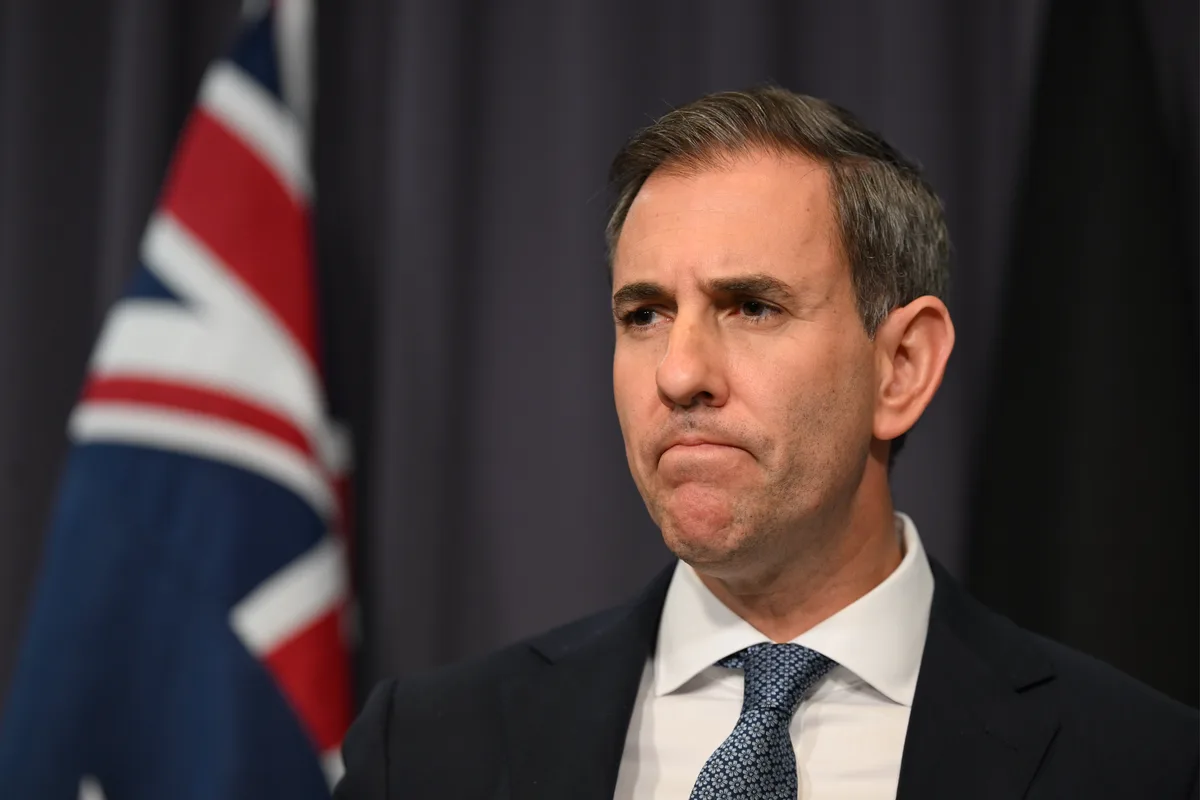
Treasurer Jim Chalmers also opened the door to putting some infrastructure projects on ice in the mid-year budget update, so as not to crowd out the booming residential and data centre construction sectors.
"From budget update to budget update, it's not unusual for projects to be reprofiled sometimes for a whole range of reasons, including pressures on the workforce and pressures on the economy," he told reporters.
Frequently asked questions
How much have new house building costs risen since before the pandemic?
What does AMP say about inflation and fuel prices?
Which inflation measure would be more concerning for the RBA?
What is being said about tariffs on aluminium building products?
In this story